Typically here at Ditch Stress are encouraging you to manage stress, not seek it out, but there are actually good stress practices that you absolutely don’t want to miss out on!
The Benefits of Good Stress
Hormesis
Hormesis, a beneficial stress, involves micro-dosing on stress to enhance our resilience. It works through the adaptive responses of organisms to specific stress factors. These short, intermittent bursts of stress can initiate a cascade of cellular processes that improve overall health, slow aging, and boost both mental and physical resilience.
Imagine if stress had a Goldilocks zone. Too much stress? Total chaos. Too little? Meh. But just right? That’s where the magic happens! Hormesis is all about short, manageable bursts of stress that actually help us.
These adaptive responses of our biological systems are in reaction to moderate environmental or self-imposed challenges. Through these adaptations our systems improve functionality and tolerance to even tougher challenges, which stimulates resilience.
Here the old saying “to dose makes the poison” applies big time! Getting too much of certain substances could have a harmful effect, but at lower doses, those very same substances could be beneficial. There are health benefits to small doses of certain stressors, like cold exposure, heat exposure, challenging exercise, or dietary restrictions.
Haha, basically: What doesn’t kill you makes you stronger.

It’s important to highlight here that there is a big difference between chronic stress, such as financial problems, relationship issues or long work hours, and hormetic stress. Chronic stress is indeed quite detrimental, to body and mind. Hormetic stressors on the other hand are controlled and acute, and they trigger healthy adaptive responses.
These types of acute, short-term stressors, which activate pathways that promote longevity and resilience, used to be abundant in our environments. However, in the age of convenience, we now have to intentionally impose these conditions on ourselves to benefit from the adaptive changes that keep us well.
Good Stress Protocols: Small Habit Changes
There are a bunch of small, sustainable habit changes that can help you reap the benefits of hormesis. Here we will cover 8 “good stress” protocols to add years to your life — and life to your years!
8 Good Stress Protocols You Don’t Want to Miss
1. Fasting:
What is fasting? In scientific terms, fasting means taking in no calories for a set period. This might be for a few hours every day or sometimes for entire days. There are tons of different fasting protocols such as intermittent fasting and alternate day fasting.
Intermittent fasting puts your body into a perceived state of stress due to temporary nutrient deprivation.
Below are some general protocols for fasting, but everyone is different so you will need to experiment to find which protocols work best for you. Always consult your doctor prior to starting a fasting protocol.
- Wait at least one hour after getting up before eating
- Ideally you want 3 full hours after your last meal before you go to sleep. This allows plenty of time for your body to digest the last food you ate so it won’t disrupt your sleep. If you fall asleep at 10pm, finish dinner by 7.
- The ideal feeding window is earlier in the day. Studies show that for optimal health, it’s best to consume most of your calories earlier in the day rather than later, during which the body is optimized to metabolize macronutrients.
- Start slow. Depending on what your feeding window is like right now, phase in your desired fasting protocol. There is a lot of data to support a 16-8 protocol, however there is also research to suggest that a 12-12 protocol can also be effective. This might look like an 8am to 8pm feeding window.
- Work to be relatively consistent with the feeding window you select when you’re fasting, so if you land on 8am-8pm, work to keep it there most of the time.
- When you do break the fast, it’s ideal to focus on eating fiber and healthy fats. By consuming these nutritious foods and avoiding sugars and refined starches will keep blood glucose levels in check.
- If those hunger pangs come a-knockin’, try to take a beat and really try to distinguish if your hunger is a biological need or a psychological desire. If you need it for psychological reasons, is there something else you are hungry for? A break? A hug? A walk?
Maintaining Balance: The Purpose of Fasting
Lastly, you don’t want to be neurotic about fasting. Getting swept away in micromanaging your health can lead to malnourishment, loss of relationships and poor quality of life. Relationships are key to good health, and you want to be able to share meals with friends and family.
The goal of fasting is to give your body the time and space to repair and develop metabolic flexibility, in which you are able to switch easily between using carbohydrates and fat for fuel. Fasting has been shown to improve biomarkers of disease, reduce oxidative stress and preserve learning and memory functioning.

2. Exercise & Resistance Training
Regular, moderate-intensity exercise is another way to take advantage of the hormetic stress response. The stress associated with exercise can result in favorable adaptations that protect the body against more severe stresses and disorders derived from physical stress. Exercise promotes resilience, stimulates antioxidant defenses, and increases autophagy (a cell’s self-cleaning process to maintain health).
- Shoot for 7 sessions per week. This doesn’t necessarily mean 1 every day. You can combine aerobic training and resistance training on the same day.
- Target 5 sessions of aerobic exercise weekly with a 4:1 ratio between Zone 2 training and Zone 5 training.
- Target minimum of 2 sessions of resistance training per week hitting all major muscle groups.
- Integrate flexibility training into your aerobic and resistance training routines.
Also, getting up for regular movement breaks here is key! Most of us sit for longer than eight hours a day — and a sedentary lifestyle is a major health risk. Sitting is the new smoking! There are a lot of things you can do:
- Take a break from sitting at least every 30 minutes.
- Stand while talking on the phone or watching TV.
- If you work at a desk, try a standing desk — or improvise with a counter or high table.
- Try walking meetings with your colleagues.

3. Light Therapy:
Our relationship to light cannot be understated. We spend too much time indoors under hard artificial light and bright screens and not enough in the natural light spectrum. Light plays a central role in regulating circadian rhythm, the body’s internal clock that signals when to be alert and when to rest.
Circadian rhythms encompass all of the physical, mental, and behavioral changes that follow a 24-hour cycle. Continually shifting circadian rhythms can increase the risks of diabetes, obesity, mood disorders, heart and blood pressure problems, and cancer, and can also worsen existing health issues.
Red light therapy is also a hormetic stressor, which boosts protein synthesis and enzyme activation. We spend too much time indoors under hard artificial light and bright screens and not enough in the natural light spectrum. Red light therapy strengthens the anti-inflammatory and antioxidant defenses in the body and improves overall health and higher resiliency to overall stress.
Other tips to optimizing your relationship to light
Let’s start with what to do in the morning:
- Within one hour of waking up get 20 minutes of morning light outdoors
- Do not wear sunglasses
- Gaze into the lower sky and avoid staring directly at the sun
- If natural light is not an option light therapy lamps can be used, as they have the 10,000 lux necessary to stimulate a morning light response. Spending 20 minutes approximate 12” away from a SAD light box will mimic the effect of the sun.
What to do in the evening:
- Give your eyes a break from all screens at least one hour before bed
- Turn on blue light filters
- Get blue block sunglasses that reduce blue light
- Use amber lights at floor level when nature calls at night, avoid harsh overhead light
- Use black-out curtains to limit light
Tips for better sleep:
- Have the last bite of food 3 hours before you go to bed
- Keep your bedroom cool, 60-66 F is ideal
- Get regular exercise, but nothing too strenuous before bed
- Meditate to quiet the mind or try a breathing exercise to help you move into the parasympathetic system
- Avoid alcohol as it disrupts sleep

4. Cold Therapy:
Brrrrr! Regular cold exposure has many benefits, it’s been shown to boost levels of certain immune cells, improve circulation, muscle recovery, increased alertness and energy, improved outlook and sleep. It may also build resiliency and restore balance to the nervous system.
How to get started:
- The simplest way to get started is to try a cold shower
- You can also try an ice bath, where you are fully submerged in cold water, using either a cold plunge tub or your own bath filled with cold water and ice
- The temperature of the water is extremely subjective, so go for what feels cold to you. Remember that it must feel uncomfortable, but use caution as hypothermia is real
Data suggests that 4 sessions per week totaling 12 minutes of exposure is best. For extra bonus points, try not to dry off and time your cold therapy with your fasting protocol by not eating until after cold therapy

5. Heat Therapy:
So hot in here! Acute heat stress from sauna use has been linked to increased lifespans, and people who use saunas may have a lower risk of neurodegenerative and cardiovascular diseases.
To best experience the benefits of sauna, there are some specifics:
- Frequency: 4-7 sessions per week
- Duration: 20 minutes per session
- Temperature: 170 – 190 degrees Fahrenheit
- Humidity: 10-20%
If you don’t have access to a sauna, you can use a sauna blanket to get the same benefits. For extra bonus points try contrast bathing where you alternate heat and cold exposure, which is great for circulation, finishing with cold for metabolic benefits.

6. Breath Training:
The respiratory system is one of the most integrated systems of the body, and breathing is bidirectionally related with stress. Both cyclical breathing and the breath retention may serve as a mild stressor that can activate hormesis.
Hypoxia, or oxygen suppression, affects the internal balance mechanism in the body, which creates a low-level stress. The adaptations made by the respiratory system improve the ability to process carbon dioxide, which boosts the delivery of oxygen to cells, which improves fitness.
How to:
- After exhaling fully, walk as many steps as you can while holding your breath. To add a fun competitive side, you can always count steps and see how far you get.
- If walking isn’t your thing, you can also do squats, jumping jacks, pushups – as long as it elevates your heart rate a little.
- Once you can’t hold it any longer, stop, catch your breath, take a 30 second rest and then repeat: about 8-10 times.
This can help to improve energy, and improve overall fitness as you get the benefits of more oxygen-rich blood to your cells and muscles.
If you want to ease into it, you can do this when you’re sitting at your desk or lying in bed. If you’re new to breathwork, try starting with box breathing. This simple technique involves inhaling through your nose for 4 seconds, holding it for 4 seconds, exhaling through your mouth for 4 seconds, and then holding the exhalation for another 4 seconds.

7. Eating Stressed Plants:
We have long known that eating vegetables is healthy, but hormesis helps to explain why! Eating stressed plants is one of the most powerful things we can do to extend lifespan. Just like people, plants get stressed too. It could be from fungus, drought or just the regular old threat of being eaten. Plants face a lot of external stressors, but are rooted to the ground and can’t escape harm.
Hence, plants produce a variety of chemicals to defend themselves, and best of all, when humans ingest those compounds, they protect us! These plant compounds offer protection from environmental stressors we face daily like UV radiation and air pollution. Plant-based compounds activate cellular protective mechanisms in humans, a phenomenon known as xenohormesis.
Foods and drinks to consume for all the benefits:
- Cruciferous vegetables such as broccoli, broccoli sprouts, cauliflower, cabbage, kale, and Brussels sprouts (which contain the compound sulforaphane)
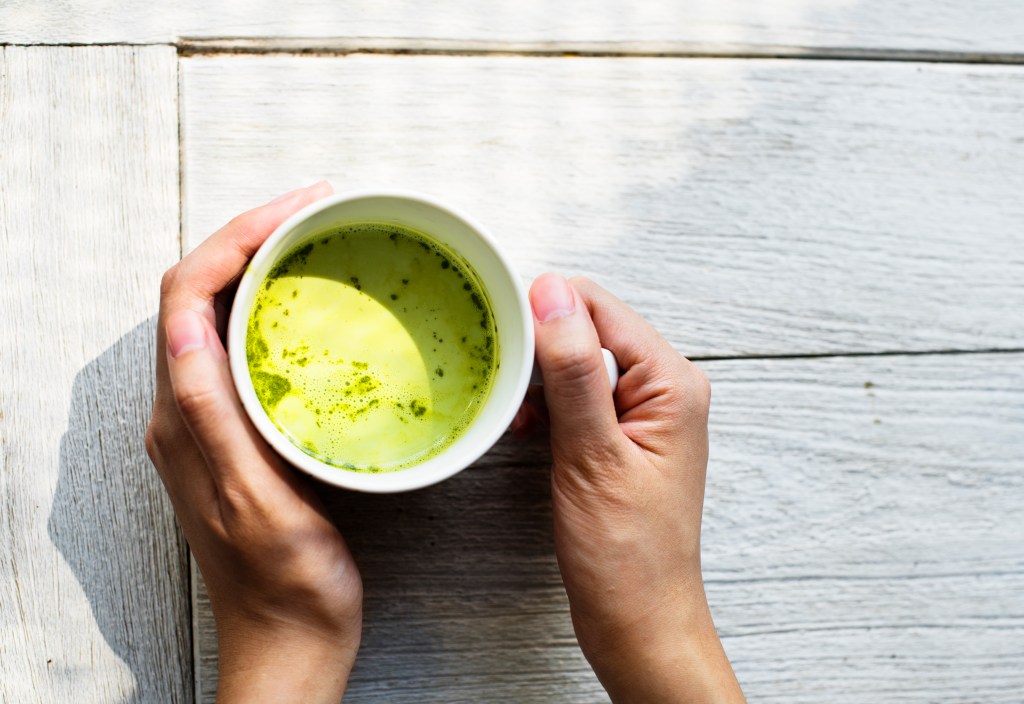
- Green Tea and White Tea (which contains the polyphenol Epigallocatechin gallate or EGCG)
- Coffee (which contains chlorogenic acid)
- Turmeric (which contains the chemical curcumin)
- Garlic (which contains allicin)
- Dark Chocolate (which contains catechins)
Also hot tip: Eat organic when you can, because otherwise the beneficial stress compounds will be sterilized away. A good general rule: Look for bright colors.
8. Challenging cognitive activities:
Hormesis isn’t just for your body, your mind can benefit too! Thinking is hormetic in nature, and thinking can stimulate brain hormesis and slow down or even start to reverse the effects of aging. Choosing mental activities that push you to the edge of your comfort zone could also be advantageous, as long as you see the stress as manageable.
You could try anything that involves active concentration: crossword puzzles, chess, learning to play a musical instrument or even body movements requiring focus. Mindfulness done correctly is also a type of mental hormesis. Challenges like these can even promote neuroplasticity.
Strengthening Your Resilience, One Step at a Time
Some experts believe that if you don’t expose yourself to enough hormetic stress, it’s hard to achieve optimal health and well-being. However, layering extra stress on top of prolonged, severe, and frequent stress may not be helpful. If life is already stressful, wait until things calm down a bit before trying out these practices. If it feels like too much, it probably is.
Building resilience doesn’t happen overnight, but the journey to becoming more adaptable and stress-resistant begins with small, intentional actions. Whether you’re immersing yourself in cold (or heat), focusing on your breath, or incorporating regular exercise, each practice contributes to a more grounded and resilient version of you. The key is consistency and mindfulness in your approach.

Remember, it’s not about never feeling stressed—it’s about bouncing back stronger and more centered. So, give yourself grace, experiment with these techniques, and notice how your body and mind respond. Over time, you’ll find that what once felt overwhelming now feels manageable.
What resilience-building technique are you most excited to try first? Let me know in the comments below—I’d love to hear how it goes!
If you liked this, you might enjoy: Get moving! Build a Stress-Busting Exercise Habit That Sticks!




 Ditch Stress
Leave a comment