We hear it all the time, it’s important to go outside every day if you can. Why is it so important? Can the simple act of stepping outside your door reduce stress? It turns out there are so many reasons why nature is healing and can help us to become more balanced.
Problems with being indoors too much
It is estimated that these days we spend about 92% of our time indoors, and it impacts both our physical and mental health in a negative way. Staying indoors all day may fuel anxiety, insomnia, fatigue, and can even impact our immune system
By missing the natural sunlight, your circadian rhythm can become dysregulated, which can affect things like sleep and appetite. We also need sunlight to increase our levels of serotonin, which is the mood-boosting neurotransmitter.

How much time do we need outside
Okay, so we know now that being inside all day is not great. How much time do we have to spend outside? Research shows benefits with just 20 minutes a day! This is the amount of time you should spend outside in nature, ideally in a green space like a neighborhood park, three times a week. Don’t have a park? Even a walk down a tree-lined street is great!
Research shows that 20 minutes outside three times a week is the dose of nature that has the greatest effect on reducing the stress hormone cortisol in those living in urban areas. Being in nature positively affects the body by also reducing muscle tension, and lowers heart rate and blood pressure, and may even lead to lower rates of heart disease.
If you can get more than 20 minutes, amazing! Spending time outside, especially in green, natural environments can boost vitality, which is the feeling of mental and physical energy, by almost a whopping 40%. Spending time indoors has the opposite effect. Stress can drain our vitality and green spaces can bring some of that vitality back.
One big caveat here! Turns out that people who used their cell phone on the walk saw none of those benefits. So yeah, this 20 minutes needs to be screen free to get all those magical benefits. As a side bonus, you could use the walk as a walking mindfulness or meditation practice and get a double whammy of stress busting benefits.

Being in nature and your mind
Like meditation and other practices that cultivate mindfulness, spending time outside and especially in nature seems to both relax and heighten your focus while also clearing your mind’s workload. It can also foster a sense of “relatedness” or connection with the living world.
Being outside can also counter some of the scatteredness of your attention that can happen with swiping and clicking through the plethora of sites we visit every day. This “media multitasking” has been linked to higher rates of anxiety and depression, which going outside just so happens to combat.
Being outside and attention
Attentional restoration theory(ART) suggests that spending time in, or even looking at, nature can reduce mental fatigue and improve concentration. The capacity of the brain to focus on a specific task or event is limited and can result in ‘directed attention fatigue’.
In ART the framework describes “hard fascination” which occurs with highly stimulating activities, which do not offer the opportunity to reflect because you are so absorbed in them, vs “soft fascination” when our attention is held by a less strenuous activity, which then provides feelings of pleasure.
Spending time in nature taps us into “soft fascination”, which restores and builds resources you need to create, think, process information and execute tasks. So getting outside can actually help us restore our focus and the ability to concentrate! Amazingly, just being in nature inclines us automatically to soft fascination, which allows time to reflect while paying attention to our surroundings and feeling restored.
For an added boost, elevate your workouts by taking them outdoors. Studies indicate that exercising in nature enhances not only your physical fitness but also your happiness, overall health, and motivation!

Level Up: Switch up your workouts and head outside
Exercise in almost any form can act as a stress reliever, with the added bonus of improving your health. Being active reduces stress hormones such as adrenaline and cortisol. It also stimulates production of endorphins, which together help foster relaxation as well as the body’s natural painkillers and mood elevators.
However exercise adherence, or basically sticking to your exercise program can be difficult. As many as 80% of people who begin an exercise program do not stick with it, and if you don’t stick with it, you miss all the benefits. But good news: Exercising outside has shown in research to boost motivation and make exercise feel less daunting! It also increases overall activity levels.
Exercising outside can also reduce depression and anxiety, boost positive mood, increase exercise enjoyment as well as health and wellbeing. Scientists found that mood improvements were the most noticeable in volunteers who performed outdoor fitness, suggesting that there is a significant health benefit from some short visits to green space, and the presence of water generated the most improvements in mood and self-esteem. Overall, outdoor activities offer greater mental health benefits compared to indoor workouts.

Outdoor Exercise and the Nervous System
Exercising in nature can have positive effects on the body’s autonomic nervous system. Research shows that being active in nature can switch your nervous system from being in a “fight or flight” (sympathetic) mode to being in a “rest and digest” (parasympathetic) mode. This is exactly what we need to ditch stress and feel more balanced! Walks in nature can lower activity in stress-related brain regions, finding amygdala activation decreases.
Studies suggest that simply even viewing images of nature could increase HRV in a resting state and in a recovery phase after a stressor. The term “heart rate variability” is the measured time elapses between heart beats. A decrease in HRV indicates that the body is stressed and in active sympathetic, fight-or-flight, activation. However, an increased HRV as we see with viewing nature images, indicates that the body is in relaxation and repair mode and is in active parasympathetic, rest-and-digest, mode.

Level Expert: Earthing
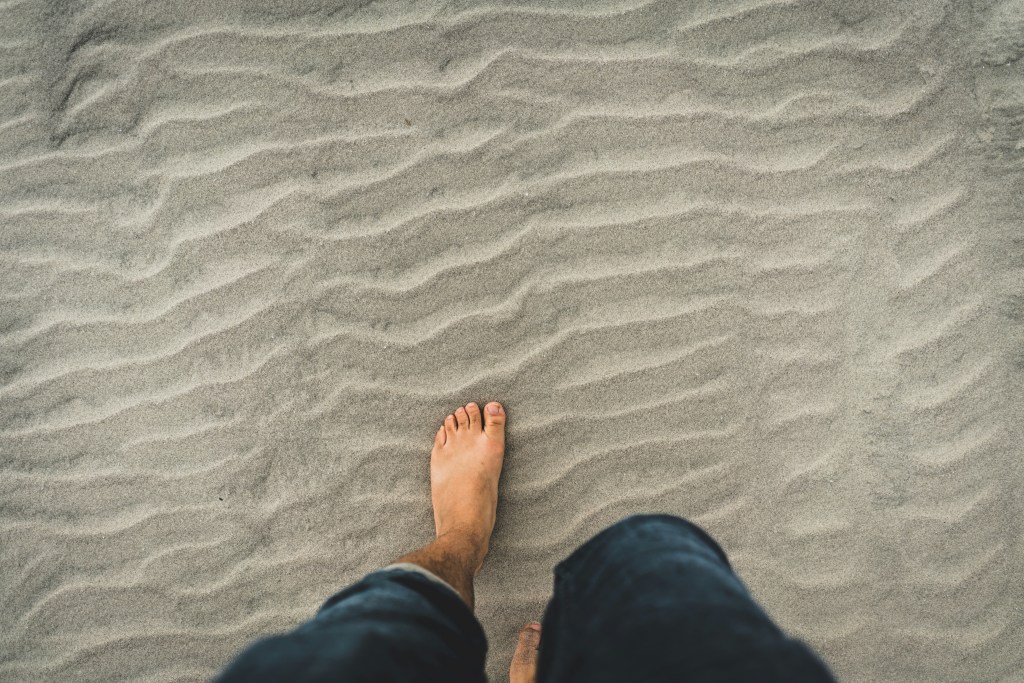
For even more extra bonus points you can try a practice as old as time. Heck you’ve probably already tried it already! Earthing (also known as grounding), is connecting your body with the earth’s electrical field by contacting directly to the earth’s surface. Think walking barefoot on a sandy beach, laying in the grass, hugging a tree. Anything where you make direct contact with the earth.
This practice is rooted in the theory that the electrical charges from the Earth can have a positive impact on your body, your health, and your mood. Modern lifestyle has increasingly separated humans from the Earth’s electrons. Bodily contact with the Earth’s natural electric charge stabilizes the physiology at the deepest levels. Earthing has an almost immediate physiological effect on the parasympathetic, or rest-and-digest, part of the nervous system.
The free radicals that we build up through the day are positively charged, and the surface of the earth is negatively charged. By making direct contact with the earth, the body’s electrical potential becomes equalized with the Earth’s electrical potential through a transfer of electrons from the Earth to the body. This also helps your body synchronize with the natural frequencies of the Earth and restores the nervous system.
The best part of earthing is that it’s free and you don’t need any special equipment to practice it. All you need is 30 minutes daily and a piece of natural ground to stand on. The idea here is that our bodies have evolved to function in coordination with the earth’s natural energy fields.
Grounding appears to improve sleep, reduce pain and stress, normalize the day-night cortisol rhythm, shift the autonomic nervous system from sympathetic to parasympathetic activation, increase heart rate variability, and also speed wound healing while improving blood flow!
Forest Bathing
Too cold to take off your shoes? Forest bathing to the rescue! The Japanese practice of Shinrin-yoku, or forest bathing, is the simple and therapeutic act of spending time in a forest. This practice is a process of relaxation; being calm and quiet among the trees, observing nature around you while breathing deeply, is profoundly restorative. You want to be absorbing the sights and sounds.
Plus being in the forest, or by a body of water, can improve gut health! A diverse microbiome is key, and one of the easiest ways to naturally increase your microbial diversity is simply by being around different types of bacteria. Being outside gives you exposure to all sorts of microbes that can benefit your microbiome.
Stress can have a negative impact on gut health through stress hormones and inflammation, which can upset the microbiome’s equilibrium. Improving diversity in the microbiome by spending time outside, may have a positive influence. Interacting with nature provides the opportunity for beneficial microbes to establish in your gut.

Putting it in action
Want to get more nature in your life? Start here!
If you have 3 minutes:
• Go out of your way to connect with nature as you go through your day.
• Get your feet on the grass.
• Look out your window at nature or greenery.
If you have 30 minutes:
• Go for a walk or a run.
• Enjoy your lunch on a bench.
• Lay on the grass and stare up at the sky.
If you have 3 hours:
• Go explore somewhere new!
• Plan a picnic and enjoy some health food outside
• Relax for an afternoon in a hammock or lawn chair
If you have all day:
• Get on the trails for a hike
• Visit a body of water near you
• Spend time in your yard or garden
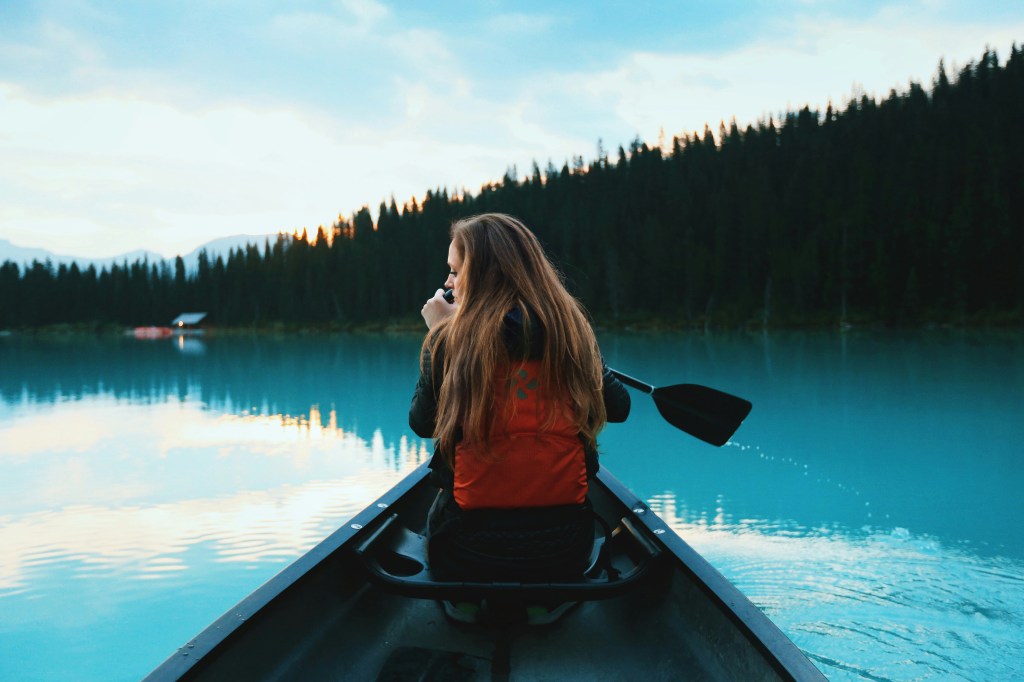
Incorporating outdoor time into your daily routine is not just a luxury; it’s a vital aspect of maintaining your mental and physical health. By spending even a modest amount of time outside, you can significantly reduce stress, boost your mood, and enhance your overall well-being. Whether it’s a brief walk in the park, grounding yourself in nature, or engaging in outdoor exercise, these simple acts can transform your life. So, take a moment to step outside, breathe in the fresh air, and reconnect with the natural world. Remember, the benefits of nature are just a step away—embrace them for a healthier, happier you!
Want a fast and easy way to remember all this? Download our Nature Rx cheat sheet here!
If you enjoyed this, you might like: Get Moving: Build a Stress-Busting Exercise Habit That Sticks!




 Ditch Stress
Leave a reply to Why ‘New Year, New You’ is Overrated (And What to Do Instead) – Ditch Stress Cancel reply