In our rapidly evolving world, where stress seems to be an inevitable part of daily life, establishing and maintaining healthy habits can be a powerful antidote. Habits, those small, seemingly insignificant actions we take daily, have a profound effect on our overall well-being.
In this blog post, we will explore the impact of healthy habits on our lives, how they can reduce stress, and dive into insights from James Clear’s Atomic Habits. We’ll also discuss practical ways to develop habits that benefit both body and mind, along with actionable ideas to get started on the path to a healthier lifestyle.

The Strong Effect Habits Have on Our Lives
Habits are the building blocks of our daily lives. They are the automatic behaviors we perform with little conscious thought, shaped by repetition and consistency. From brushing our teeth to our morning coffee ritual, habits influence virtually every aspect of our daily routines. These ingrained actions can significantly impact our physical health, mental well-being, productivity, and overall quality of life.
One of the most profound ways habits affect us is through their ability to streamline our daily activities. By turning repetitive tasks into automatic responses, habits free up mental energy for more complex decision-making processes. This efficiency allows us to navigate our days with greater ease and focus on tasks that require more cognitive effort.
Why Healthy Habits Are Important
Healthy habits can have a transformative impact on our lives. They influence everything from our physical health to our mental well-being. For instance, habits like regular exercise, balanced nutrition, and adequate sleep are essential for maintaining good health. They help regulate body functions, improve energy levels, and enhance overall mood.
Habits also affect our mental health. Good habits such as mindfulness, positive thinking, and stress management techniques contribute to a more balanced emotional state. By creating a stable routine, we can foster a sense of control and predictability, which is particularly valuable in managing stress and anxiety. Consistent, healthy habits create a foundation of stability that helps us navigate the challenges of daily life with greater resilience.
How Good Habits Can Reduce Stress
You might be asking yourself how healthy habits can reduce stress since that is our focus here at Ditch Stress! Good habits can significantly reduce stress by creating structure and predictability in our lives. When we establish routines, we reduce the mental load of decision-making, which can be a significant source of stress. For example, having a set exercise routine eliminates the daily decision of whether or not to work out, freeing up mental space for other tasks.
Moreover, healthy habits can help regulate our physiological stress response. Regular physical activity, for instance, lowers the production of stress hormones such as cortisol and adrenaline. Adequate sleep supports this process by allowing the body and mind to recover from the day’s stresses.
Engaging in relaxing habits, such as meditation, deep breathing, or spending time in nature, also helps mitigate stress. These activities promote relaxation and improve our ability to cope with daily pressures. Establishing a routine that includes these stress-reducing practices can lead to a more balanced and less stressful life.
Insights from Atomic Habits by James Clear
In his bestselling book Atomic Habits, James Clear explores the science of habit formation and offers practical strategies for building and maintaining good habits. The core premise of the book is that small, incremental changes can lead to significant improvements over time. Clear introduces the concept of “atomic habits”—tiny changes that, while seemingly minor, compound into remarkable results.
Clear emphasizes the importance of focusing on systems rather than goals. While goals are important, systems—the daily habits and routines we follow—are the key to achieving long-term success. By improving our habits, we create a solid foundation for reaching our goals naturally.
The habit loop, consisting of a cue, craving, response, and reward, is central to Clear’s framework. Understanding this loop helps us recognize how habits are formed and reinforced. Clear suggests that by manipulating these elements—making cues more obvious, cravings more attractive, responses easier, and rewards more satisfying—we can effectively build new habits and break old ones.
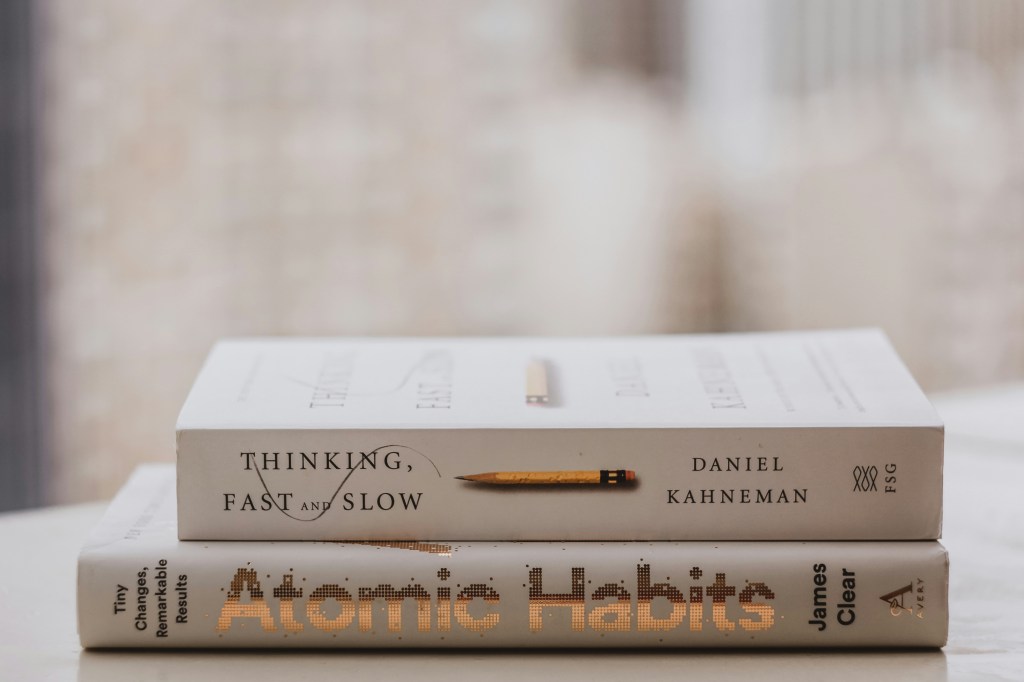
How to Build a Habit: Clear’s Approach
James Clear offers a four-step framework for building and sustaining habits:
- Make It Obvious: To create a new habit, make the cue for the habit as visible and noticeable as possible. For example, if you want to remember to take vitamins daily, place the bottle next to your toothbrush.
- Make It Attractive: Associate the new habit with positive feelings or rewards. If you enjoy a specific type of exercise, such as dancing or swimming, incorporate that into your routine to make it more enjoyable.
- Make It Easy: Simplify the process of starting the habit. Instead of committing to a 30-minute workout, start with a 5-minute routine. The easier the habit is to begin, the more likely you are to stick with it.
- Make It Satisfying: Ensure that the habit provides immediate rewards or positive feedback. Tracking your progress or celebrating small victories can help reinforce the habit and make it more satisfying.
James Clear emphasizes the importance of small, incremental changes, the power of consistency, and the role of the environment in shaping our behaviors. By breaking down the habit formation process into four simple steps—cue, craving, response, and reward—Clear offers a practical roadmap for developing new habits and breaking old ones. With this framework in mind, let’s explore how we can apply these principles to build healthy habits that nurture both our mind and body. By focusing on specific strategies and actionable steps, we can create a balanced and holistic approach to well-being.
Building Healthy Habits for the Body
1. Establish a Consistent Exercise Routine
Regular physical activity is crucial for maintaining good health and managing stress. Exercise releases endorphins, which are natural mood lifters, and helps regulate stress hormones. Begin with a manageable exercise routine, such as a daily 20-minute walk or a couple of yoga sessions per week. Gradually increase the intensity and duration as your fitness level improves. The key is to find activities you enjoy and make them a regular part of your routine.
2. Prioritize Sleep Hygiene
Sleep is fundamental to overall well-being. Create a sleep-friendly environment by keeping your bedroom dark, cool, and quiet. Develop a pre-sleep routine that helps signal to your body that it’s time to wind down, such as reading a book, practicing gentle stretching, or engaging in relaxation exercises. Consistent sleep patterns and a relaxing bedtime routine can improve sleep quality and overall health. Check out our night time routine post for more ideas!
3. Eat a Balanced Diet
Nutrition plays a significant role in how we feel and manage stress. A balanced diet rich in fruits, vegetables, whole grains, and lean proteins provides the necessary nutrients for physical and mental health. Avoid excessive caffeine and sugar, which can contribute to anxiety and disrupt sleep. Instead, opt for foods that support sustained energy levels and mood stability.
Building Healthy Habits for the Mind and Thinking
1. Practice Mindfulness and Meditation
Mindfulness and meditation are powerful tools for managing stress and improving mental clarity. These practices help calm the mind, enhance self-awareness, and reduce negative thought patterns. Set aside a few minutes each day to practice mindfulness or meditation. You can check out our blog posts on both mindfulness and meditation to get started! Guided sessions or apps can be helpful for beginners and provide structured practices to follow.
2. Foster Positive Thinking
Positive thinking can significantly impact how we handle stress and challenges. Challenge negative thoughts by replacing them with positive affirmations and focusing on what you can control. Practicing gratitude, reflecting on what you’re thankful for, and engaging in positive self-talk can help shift your mindset and build resilience against stress.
3. Set Positive Intentions
Each morning, set a clear and positive intention for the day. Whether it’s an affirmation, a specific goal, or a mindset like patience or kindness, this habit helps create a proactive and empowered mindset, guiding your behavior and attitude.
We here at Ditch Stress HQ have three daily habits we almost never miss:
- Go outside, even just for 5 minutes
- Move your body, even just for 5 minutes
- Eat a vegetable, it only has to be one

Overcoming Hurdles in Establishing Healthy Habits
Building and maintaining healthy habits can be challenging, especially if you’re transitioning from an inconsistent or chaotic routine. Common hurdles include lack of motivation, time constraints, and difficulty forming new habits. Here are some strategies to overcome these challenges:
1. Start Small
Instead of overhauling your entire routine, begin with small, manageable changes. Focus on one habit at a time and gradually build upon it. For example, if you want to start exercising regularly, begin with short, 5-minute workouts and gradually increase the duration as you build the habit.
2. Set Realistic Goals
Set achievable goals that align with your current lifestyle and capabilities. Avoid setting overly ambitious goals that can lead to frustration and burnout. Instead, set realistic, incremental goals that provide a sense of accomplishment and keep you motivated.
3. Create a Support System
Share your goals with friends, family, or a support group. Having a network of people who encourage and support your efforts can increase accountability and motivation. Consider joining a fitness class, meditation group, or online community to connect with others who share similar goals.
4. Track Your Progress
Monitor your progress to stay motivated and identify areas for improvement. Use a journal, app, or tracker to record your efforts and celebrate small victories. Tracking your progress can help you stay focused and maintain momentum.
5. Be Patient and Persistent
Building new habits takes time and persistence. Be patient with yourself and recognize that setbacks are a natural part of the process. Instead of focusing on perfection, focus on making consistent efforts and adapting as needed.
Healthy Habits You Can Start Today
If you’re ready to begin your journey toward healthier habits, here are some ideas to get you started:
- Drink More Water: Aim to drink at least eight glasses of water a day. Carry a reusable water bottle to remind yourself to stay hydrated and set reminders if needed.
- Incorporate a Short Exercise Routine: Begin with a 10-minute workout or a daily walk. Gradually increase the duration and intensity as you build endurance.
- Create a Relaxing Bedtime Routine: Develop a pre-sleep ritual that includes activities like reading, journaling, or listening to calming music. Avoid screens and stimulating activities before bed.
- Practice Gratitude Daily: Spend a few minutes each day reflecting on what you’re grateful for. This practice can improve your mood and reduce stress.
- Limit Screen Time Before Bed: Reduce exposure to screens at least an hour before bedtime to improve sleep quality. Opt for relaxing activities that don’t involve screens.
- Set Aside Time for Relaxation: Dedicate time each day for activities that help you unwind, such as deep breathing exercises, gentle stretching, or spending time in nature.
- Organize Your Day: Start each day by setting clear intentions and prioritizing tasks. This can help reduce anxiety and improve productivity.
- Eat Mindfully: Pay attention to your eating habits and choose nutrient-dense foods that fuel your body and mind. Avoid emotional eating and practice portion control.
- Connect with Others: Make time to build and maintain meaningful relationships. Social connections can provide support, reduce feelings of loneliness, and enhance overall well-being.
- Schedule Downtime: Ensure you have regular breaks and leisure time to recharge. Balance work and personal life to prevent burnout and maintain a healthy lifestyle.

Establishing healthy habits is not just about improving individual aspects of our lives but creating a cohesive and balanced approach to overall well-being. By understanding the profound effect habits have on our lives, we can make deliberate choices to cultivate routines that enhance our physical health, mental clarity, and stress management.
James Clear’s Atomic Habits offers valuable insights into how small, consistent changes can lead to significant improvements. By implementing Clear’s framework and focusing on habits for both the body and mind, we can build a foundation for a healthier and more resilient life.
Remember, developing healthy habits is a journey, not a destination. Start with small, manageable changes, and gradually build upon them. The effort you invest in creating and maintaining these habits will pay off in the form of reduced stress, improved health, and a more fulfilling life. Embrace the power of habits to transform your well-being and take the first step today toward a healthier, happier you.


 Ditch Stress
Leave a reply to Why ‘New Year, New You’ is Overrated (And What to Do Instead) – Ditch Stress Cancel reply