Let’s Talk Wearables ⌚
I got my first Garmin watch in January of 2021, and it changed my life. I know that sounds like an exaggeration, but it’s true!
Though I have always strived to be an active person, but after getting my watch. I came to find the truth in the maxim: What gets measured gets managed.
Today I am celebrating a 1500 day streak of hitting at least 10,000 steps per day (averaging 16,560 per day)! 🥳🎉
I can tell you that in my pre-watch era, I had a lot of 800-steps-a-day numbers (according to my phone), and there were plenty of days when “not feeling like it” led to not moving at all. But here’s the kicker—exercise is one of the best ways to reduce stress. It releases feel-good endorphins that lower anxiety and boost your mood.
Once I started using my watch, it wasn’t just about counting steps. It was about building a habit that helped me manage stress. Those little nudges to get moving made a big difference. Turns out, wearables offer a ton of features that support both your health and stress management.
Here’s the thing: wearables aren’t just for counting steps (though that’s still a big perk!). Whether it’s a smartwatch or a fitness tracker, these devices have become powerful tools for stress management. They offer valuable insights into your body, helping you reduce stress and improve overall well-being.
But how exactly can they help? Let’s dive into it! 👇
Different Types of Wearables 🔍
First, let’s quickly break down the types of wearables that can support your stress management routine:
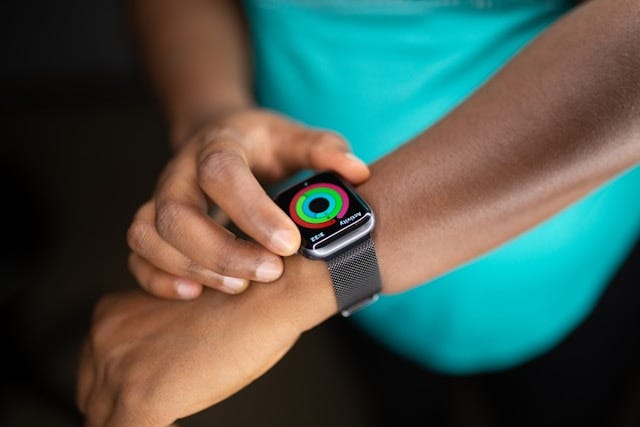
- Smartwatches (e.g., Apple Watch, Fitbit, Garmin): These guys do it all! Heart rate, sleep tracking, exercise goals, stress apps…you name it.
- Fitness Trackers (e.g., Fitbit Charge, WHOOP): More focused on activity tracking, but also great for monitoring heart rate and heart rate variability (HRV), which is key for stress.
- Heart Rate Monitors (e.g., Polar H10): For accurate readings on your heart rate during exercise—helpful when you’re looking to gauge how stressed your body is.
- Stress-Tracking Devices (e.g., Muse, Spire): These devices track your stress levels in real-time and even provide breathing exercises to help you relax.
So, What’s the Best Choice for You? 🤔
Choosing the right wearable depends on your individual goals and preferences. There’s no one-size-fits-all answer, but the good news is that many of these devices can complement each other to provide a more holistic approach to stress management.
For instance:
- If you want a comprehensive health tracker that does it all—exercise, heart rate monitoring, sleep tracking, and even mindfulness prompts—smartwatches like the Apple Watch, Fitbit, or Garmin are solid choices. They provide an all-in-one solution, which is perfect for those looking for a device that keeps all aspects of health and stress management in check. (Full disclosure: I am practically married to my Garmin watch!)
- If you’re focused on sleep and recovery, devices like the Oura Ring excel at providing detailed insights into your sleep patterns and readiness for the day. It can help you understand how your rest influences your stress levels, which is key to maintaining balance.
- If you’re looking for a specific stress tracker, devices like Spire or Muse can track your breathing patterns in real-time and offer instant feedback. They can help you spot early signs of stress, allowing you to take proactive steps to calm yourself before it gets overwhelming.
The cool part? Many of these devices sync with apps and other wearables, so you can combine them to create a personalized stress management toolkit. For example, you could use a Garmin watch during a workout to gauge how much stress your body is under, then track your recovery with an Oura Ring to see how quickly you bounce back.
It really comes down to what works best for your lifestyle. Whether you’re focusing on exercise, mindfulness, or sleep, there’s a wearable that can support you in each area.
And the best part? These tools aren’t meant to replace self-care routines—they enhance them, giving you the insights you need to manage stress with more intention.

Gamifying Health: Good or Bad? 🎮
Here’s a fun truth: wearables often turn health tracking into a game, and while that can be motivating, it can also backfire.
Think about it:
- Setting step goals or fitness challenges can push you to move more, which is great for your body and mind.
- But…if you’re too focused on hitting numbers, it can add pressure, creating more stress than relief.
So, check in with yourself:
- Are you using your wearable to make small improvements or just to hit numbers?
- Does tracking your activity make you feel empowered, or does it add unnecessary pressure?
The goal here is balance: use wearables to support your health, not overwhelm you. 🌱
Using Wearables to Reduce Stress 🧘♀️
Now, let’s explore the stress-reducing benefits of wearables. Here’s how they can help you manage your stress:
Exercise: Move Your Body, Relieve Your Mind 💪
Exercise is one of the most effective ways to fight stress. It releases endorphins, the body’s natural mood boosters. Wearables help you track your activity and keep you on top of your fitness goals (because accountability is key!).
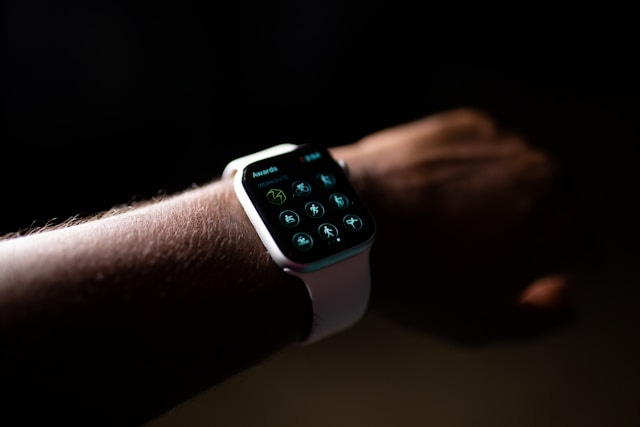
This can also boost consistency, as some of the watches have badges for accumulated days on an activity, and we know: You are what you do repeatedly.
Whether you’re taking a walk, cycling, or practicing yoga, exercise helps clear your mind and calm your body. Use your device to track your steps, calories burned, or workout sessions to ensure you’re making movement a priority.
Heart Rate Variability (HRV): The Key to Recovery 💓
Have you heard of HRV? It’s the time between your heartbeats, and it’s a crucial indicator of how well your body is handling stress. A high HRV shows that you’re in a relaxed state, while a low HRV signals that your body is stressed and may need more recovery.
Devices like WHOOP, Oura Ring, and Garmin track HRV and give you insights into your stress recovery. By paying attention to your HRV, you can learn when it’s time to push yourself in a workout or when you should focus on recovery to avoid burnout.
Breathing Exercises: Breathe In, Stress Out 🌬️
Deep breathing is a quick and effective way to activate your body’s relaxation response. Many wearables offer built-in breathing exercises to help you manage stress in real-time.
Smartwatches like the Apple Watch and Fitbit can prompt you to take deep breaths and guide you through short, calming sessions. It’s a simple but powerful way to reset your nervous system and alleviate stress on the spot.
I used this feature on the daily, and it has helped me to hone into a super consistent and high quality breathwork practice that I actually remember to do!
Sleep Tracking: Rest Your Way to Less Stress 🛏️
A good night’s sleep is essential for stress management. Poor sleep quality can increase stress levels, while restful sleep helps your body recover and handle daily challenges.
Wearables like the Oura Ring and Fitbit track your sleep stages (REM, deep sleep, etc.) and provide valuable insights into how well you’re resting. Monitoring your sleep with these devices can help you understand where to improve, leading to better stress resilience and overall well-being.
Note: While this can be great for prioritizing sleep, it can get frustrating, and cause more stress. Seeing a sleep score that you don’t like can be infuriating, and while you can create a great sleep routine, that doesn’t always guarantee great sleep.
Remember to get the rest you can, and don’t let this number dictate your day.
Mindfulness & Stress Alerts: Stay on Top of Your Stress 🧘
Some wearables are designed to track your stress levels in real-time. Devices like Spire and Muse monitor your breathing patterns and provide gentle nudges when they detect rising stress levels. These reminders help you stay aware of your emotional state and take action before stress spirals out of control.
In addition to stress tracking, these devices can guide you through mindfulness exercises, helping you refocus and relax when stress builds up.
Other Features to Help You Manage Stress 💡
Your wearable may have even more features to help you reduce stress, like:
- Meditation & Relaxation Apps 🧘♀️: Many devices sync with apps like Calm or Headspace, offering guided meditations to help you relax and unwind.
- Mindful Eating 🍽️: Some wearables sync with nutrition apps, helping you stay mindful of what you eat—because food choices can impact stress levels.
- Daily Stress Check-Ins 📊: Many wearables allow you to track your stress levels daily, helping you see patterns and adjust your habits accordingly.
Wearables Can Be Your Stress-Busting Sidekick 🤖
Wearables are more than just a tool for tracking steps—they’re powerful allies in your stress management journey. From tracking exercise to monitoring HRV and guiding your breathing, these devices can provide a roadmap for reducing stress and boosting your well-being.
Just remember: wearables should support you, not stress you out. Find balance, listen to your body, and use your device as a tool to guide you toward calm and relaxation.
Have you used wearables to manage your stress? What features have helped you the most? Let me know in the comments below! 🌟
 Ditch Stress
Leave a comment