You’ve probably heard the advice: exercise, meditate, eat healthy, breathe deeply—the list goes on. But the real challenge isn’t just knowing what to do—it’s figuring out how to fit it all into your day.
If you’ve ever felt overwhelmed by stress management advice, you’re not alone. But don’t worry; help is on the way! This guide will walk you through a day filled with practical, actionable tips to weave stress management seamlessly into your routine. Remember, this isn’t about perfection—it’s about progress.

Morning: Start Your Day with Intention
Wake Up with Gratitude
Begin your day by taking a few deep breaths and mentally listing three things you’re grateful for. What we are looking for is one small action you take before your feet hit the ground out of bed.
This small act can set a positive tone and help you shift your focus away from stress. For an added boost, try journaling your gratitude. Writing down what you’re thankful for makes it more tangible and reinforces positive thinking.
Hydrate First
Before reaching for coffee, drink a glass of water. Dehydration can exacerbate stress and fatigue. Adding a squeeze of lemon or a pinch of sea salt can give your body a gentle electrolyte boost. If you want to elevate this habit, try sipping herbal teas like chamomile or mint, which have calming properties.
Get Morning Light
Step outside or near a window within the first hour of waking to soak up some natural light. Morning sunlight helps regulate your circadian rhythm, which can improve your mood, energy, and sleep quality. Even 10-15 minutes can make a difference.
Movement and Hormesis
Kick off your morning with a brief session of movement. This could be light stretching, yoga, or even a short walk. For a more advanced protocol, consider incorporating hormesis—small, beneficial stressors like cold exposure. A quick 30-second cold shower can invigorate your system, lower inflammation, and even boost mood by stimulating endorphins. If cold showers feel daunting, try splashing cold water on your face instead.
Hormesis isn’t limited to cold exposure. Other forms include fasting, heat exposure (like saunas), or even short bursts of intense exercise. These mild stressors can strengthen your resilience over time.

Breakfast Choices
Fuel your body with foods that stabilize blood sugar and support brain health. Opt for a breakfast rich in protein, healthy fats, and fiber. For example:
- A smoothie with spinach, chia seeds, unsweetened almond milk, and a handful of berries.
- Eggs with avocado and a side of sautéed greens.
Supplement suggestions: Consider adding ashwagandha or magnesium glycinate to your morning routine to help regulate cortisol levels.
Set Daily Intentions
Take five minutes to plan your day. Write down your top three priorities and a self-care goal. Use this time to identify potential stressors and how you’ll navigate them. Bonus tip: Use a planner or app to map out your day. Seeing your tasks visually can reduce overwhelm.
Mid-Morning: Focus and Recharge
Mindful Work Breaks
Every 90 minutes, take a five-minute break to stretch, breathe, or step outside. This aligns with your body’s ultradian rhythm and helps maintain focus. For an extra mental boost, try looking at something green, like a plant or a tree, during your break. Nature has a calming effect.
Deep Breathing Exercise
Try box breathing: inhale for four counts, hold for four counts, exhale for four counts, and hold for four counts. Repeat for two minutes. This technique activates your parasympathetic nervous system, calming your mind and body.

Snack Smart
Choose stress-busting snacks like:
- A handful of walnuts or almonds (rich in magnesium).
- A piece of dark chocolate (70% or higher cacao).
- Fresh fruit paired with a small handful of seeds or nut butter.
Lunchtime: Nourish Your Body and Mind
Mindful Eating
Turn off distractions and focus on your meal. Chew slowly, savor each bite, and notice the textures and flavors. This practice can reduce stress and improve digestion. If you’re eating with others, make it a point to share highlights of your day so far. Positive social interactions can also lower stress levels.
Stress-Balancing Foods
Incorporate foods rich in omega-3 fatty acids, like salmon or flaxseeds, and add colorful veggies like bell peppers or broccoli. These foods reduce inflammation and support brain health.
Movement Matters
After eating, take a 10-15 minute walk. This not only aids digestion but also helps regulate blood sugar levels and reduces stress hormones. Walking outdoors? Pay attention to the sights and sounds around you for a mini mindfulness exercise.
Afternoon: Stay Energized and Centered
Power Nap or Meditation
If you feel a slump, try a 10-20 minute power nap or guided meditation instead of reaching for caffeine. Both can rejuvenate your mind and body without disrupting nighttime sleep. Apps like Calm or Insight Timer offer quick meditation options if you’re short on time.

Time for Awe
Step outside and find a moment of awe in nature. Look at the sky, a tree, or even a small flower. Studies show that experiencing awe can lower cortisol levels and increase overall well-being. If going outside isn’t an option, watching a short video of a stunning natural landscape can have a similar effect.
Task Management
Practice the Pomodoro Technique: work for 25 minutes, then take a five-minute break. During your break, stretch, hydrate, or do a brief mindfulness exercise. For a motivational boost, use those five minutes to visualize the satisfaction of completing your task.
Evening: Transition from Busy to Calm
Unwind with Exercise
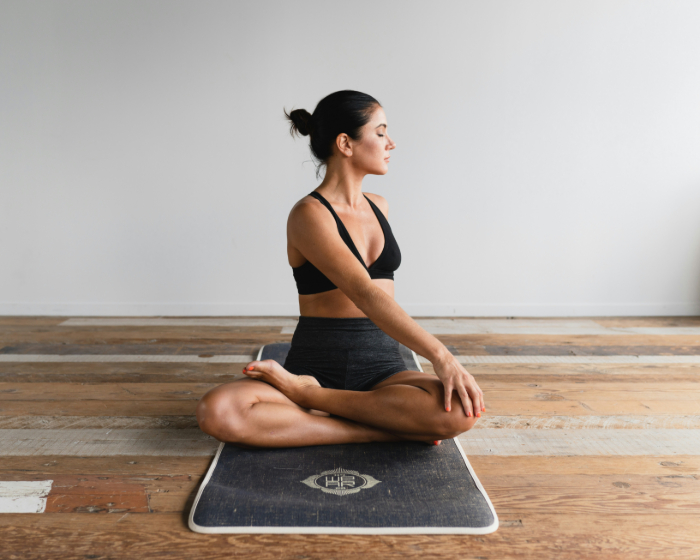
Engage in moderate physical activity like a brisk walk, dancing, or a gentle yoga session. Exercise releases endorphins, which help counteract stress hormones. Avoid intense workouts late in the evening, as they can interfere with sleep.
Dinner Choices
Focus on a meal that’s satisfying but light. Consider a nourishing bowl with quinoa, roasted veggies, and grilled chicken or tofu. Add fermented foods like kimchi or yogurt to support gut health—an essential player in stress regulation. For dessert, a small serving of berries or a piece of dark chocolate can satisfy your sweet tooth while providing antioxidants.
Mindful Shower or Bath
Treat your shower or bath as a mindfulness practice. Feel the water, notice its warmth, and let it wash away the day’s stress. You can even add calming scents like lavender or eucalyptus.
Night: Prepare for Restful Sleep
Digital Detox
Turn off screens at least an hour before bed. Blue light disrupts melatonin production, making it harder to fall asleep. Use this time to read, journal, or practice relaxation techniques. If you need to use your phone, switch it to night mode or wear blue-light-blocking glasses.
Wind-Down Routine
Establish a consistent pre-sleep ritual. For example:
- Write down three things you accomplished or enjoyed during the day.
- Practice gentle stretches or restorative yoga poses.
- Try progressive muscle relaxation by tensing and releasing each muscle group.
- A skin routine that makes you feel good.

Supplements for Sleep
If you struggle with winding down, consider natural sleep aids like magnesium, valerian root, or a melatonin supplement. Always consult your healthcare provider before adding supplements to your routine.
Breathing for Sleep
Practice 4-7-8 breathing: inhale for four counts, hold for seven counts, and exhale for eight counts. This technique helps relax your nervous system, making it easier to drift off.
Putting it all Together
Though I don’t do all of these activities every day, I do try to incorporate at least a few every day. I found that finding my favourites, the ones I really enjoyed, and making a habit around them really helped me. Intentionally creating a habit can make stress management a part of your regular everyday.
Keep in mind this list is not exhaustive, there are many other activities that help with stress, and also some activities will call to you more than others. If you are feeling frustrated, a brisk walk might be better than trying to sit still. Find what works for you, in the circumstance you find yourself in.
Mindfulness in Daily Life
Mindfulness doesn’t have to be confined to meditation or yoga. It can be part of any activity if approached with intention. Whether you’re washing dishes, walking to the mailbox, or sipping your morning coffee, being present in the moment can help ground you and reduce stress.
You can also set a regular timer or reminder during the day to check in with yourself. Ask: How am I feeling? What do I need right now? Over time, these small check-ins can cultivate greater awareness and emotional balance.
Incorporating Joyful Activities
Don’t forget to make time for activities that bring you joy. Whether it’s playing with a pet, listening to your favorite music, or engaging in a hobby, these moments can act as powerful stress relievers. Even just 15-20 minutes of doing something you love can significantly boost your mood and lower cortisol levels.

Flexibility Is Key
It’s okay to experiment and adjust your routine as needed. Remember, the goal isn’t perfection—it’s finding what works for you and making it sustainable.
 Ditch Stress
Leave a comment