The start of a new year is often full of excitement and promise. It’s a chance to hit the reset button, set goals, and dream big. But let’s be real for a moment — it can also feel overwhelming. New year, new you? More like new year, no clue where to start! If that sounds like you, don’t worry. You’re not alone. The truth is, the pressure to start fresh can sometimes feel like just another item on an already overflowing to-do list.
In the past, on December 31st, I would always create huge, ambitious goals, which is great! But I would generally set them too high, have no plan to track them, and no check in system to see if I was on target. Then around February of that year, goals would start falling off the radar, especially the ones that were huge or totally unsustainable. And then by November I’d look at that big, fantastic list, and would see a lot of goals that I hadn’t quite hit.
There is a good reason that 80% of New Year’s resolutions fail by February, often due to a lack of motivation, unrealistic expectations or overwhelming stress. Challenging ourselves is fantastic, it helps us grow and reach goals we might never have dreamed possible before! But we need to go about reaching those goals in the right way, that is manageable and sustainable, and doesn’t add to our stress.

Why New Year Stress is a Thing
The pressure to create resolutions, meet expectations, and live up to the “perfect” image of a fresh start can weigh on anyone. Social media doesn’t help either; scrolling through everyone’s vision boards and workout plans can make us feel like we’re already falling behind.
Part of the stress comes from societal expectations that we should immediately overhaul our lives and transform into the best versions of ourselves overnight. Social media adds to the pressure, showing us highlight reels of everyone’s ambitious plans.
It’s easy to feel like you’re already behind before you’ve even started. But here’s the thing: you don’t need to figure it all out at once. This year, let’s focus on small, manageable steps that reduce stress and allow you to truly enjoy the journey.
You don’t need to overhaul your life overnight. Instead, think about small, intentional steps that reduce stress and boost your overall well-being.
Tip #1: Ditch the Overwhelm with “Micro-Goals”
One of the biggest mistakes people make is setting huge, vague resolutions like “get healthy” or “be more productive.” While these are great aspirations, they’re also a fast track to feeling overwhelmed.
Instead, try breaking your goals into bite-sized, achievable “micro-goals” and align them with the SMART goal framework. SMART stands for Specific, Measurable, Achievable, Relevant, and Time-bound. Let’s break that down:
- Specific: Clearly define what you want to accomplish. For example, instead of “get healthy,” set a goal like “walk 5,000 steps daily.”
- Measurable: Make sure your goal has a way to track progress, such as logging your steps in a fitness app.
- Achievable: Ensure your goal is realistic given your current lifestyle and resources. Walking 5,000 steps a day might be more practical than aiming for 15,000 right off the bat.
- Relevant: Align the goal with your broader aspirations and values. If your main goal is to feel more energetic, increasing daily movement directly supports that.
- Time-bound: Set a deadline to keep yourself on track, like aiming to meet this goal consistently for the next 30 days.
For instance, if your ultimate goal is to “get healthy,” a micro-goal could be “replace one sugary drink per day with water.” Over time, these micro-goals will snowball into meaningful progress without the stress of trying to do it all at once.

Tip #2: Make Self-Care a Non-Negotiable
Self-care isn’t a luxury; it’s essential. And no, it doesn’t have to be a bubble bath or a trip to the spa (unless that’s your thing!). Self-care can be as simple as:
- Setting boundaries with your time and energy.
- Prioritizing sleep over late-night Netflix binges.
- Taking five minutes each day to practice deep breathing or meditate.
To make self-care a habit, identify what works best for you. For some, it might be a quiet moment with a cup of tea in the morning. For others, it could be a brisk walk to clear the mind. Whatever it is, schedule it like you would any other important task. Consistency is key, so even small acts of self-care done regularly can have a big impact on your well-being.
Tip #3: Tame the “All or Nothing” Mindset
Raise your hand if you’ve ever abandoned a goal because you missed a day or didn’t do it perfectly. (Yep, me too!) The all-or-nothing mindset can be a major stress amplifier.
Instead, embrace a flexible mindset. Progress isn’t about perfection; it’s about showing up more often than not. Missed your morning workout? No problem—try a quick stretch session in the evening. Had a not-so-healthy meal? Balance it out with nutritious choices at your next meal.
To shift away from the all-or-nothing mentality, remind yourself that every small effort counts. Celebrate small wins, like choosing water over soda or taking the stairs instead of the elevator. Over time, these small wins add up to meaningful progress.

Tip #4: Build a Routine That Supports Your Peace
Routines are your stress-busting secret weapon. When your days have structure, you spend less time worrying about what needs to get done and more time actually doing it.
Start with a simple morning or evening routine. For example:
- Morning Routine: Stretch for five minutes, sip a cup of tea or coffee mindfully, and write down your top three priorities for the day.
- Evening Routine: Unplug from screens an hour before bed, journal about one thing you’re grateful for, and read a few pages of a book.
To make your routine even more effective, ensure it’s adaptable. Life happens, and being able to pivot without guilt is part of creating a routine that supports your peace. Focus on habits that ground you and are easy to pick back up if you miss a day.
Tip #5: Practice Gratitude Daily
Gratitude is like a reset button for your mindset. When you focus on what you’re thankful for, it shifts your perspective away from stress and toward positivity.
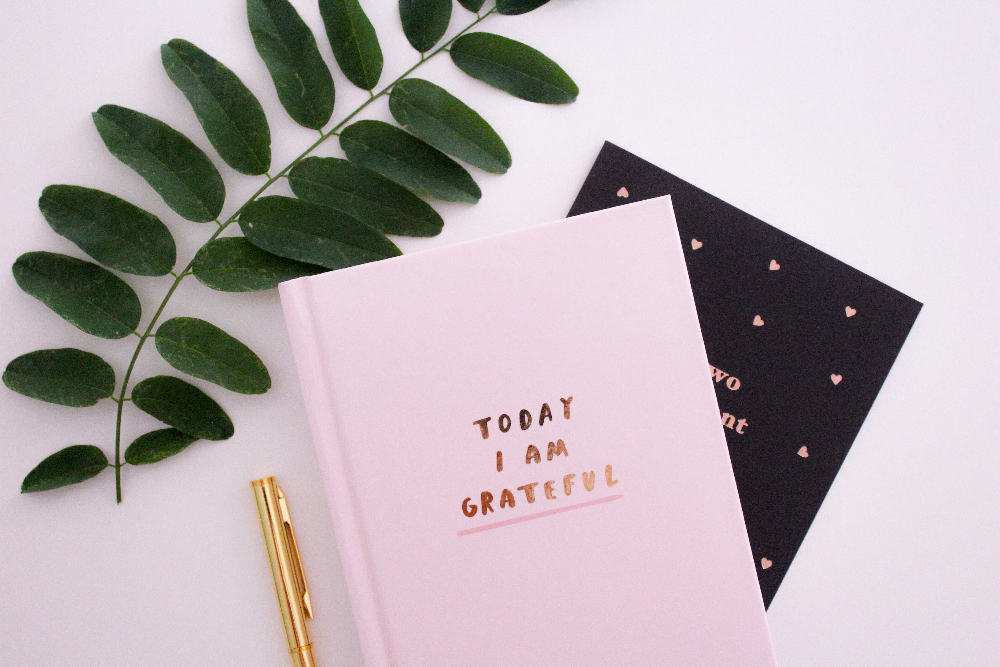
Keep a gratitude journal and jot down three things you’re grateful for each day. They don’t have to be big things; sometimes the smallest moments bring the greatest joy. For instance, write about the warmth of your morning coffee, a kind text from a friend, or the way sunlight streams through your window.
Research shows that practicing gratitude can lower stress levels and improve overall well-being. If journaling feels like too much, you can simply take a moment each day to reflect on what you’re thankful for—while driving, walking, or even brushing your teeth.
Tip #6: Learn to Say No
If you’re someone who’s always saying “yes” to everyone else, it’s time to flip the script. Overcommitting is one of the fastest ways to burn out.
Practice saying no with kindness. For example:
- “I’d love to help, but I’m not able to take that on right now.”
- “Thank you for thinking of me, but I need to prioritize other commitments at the moment.”
To recognize overcommitment, take inventory of your current obligations. Are they aligned with your priorities? If not, consider where you can scale back. Every time you say no to something that doesn’t serve you, you’re saying yes to yourself.
Tip #7: Move Your Body, Your Way
Exercise is a proven stress reliever, but that doesn’t mean you have to hit the gym for an intense workout. The best movement is the kind you enjoy.
Try:
- A walk outside to soak up some fresh air.
- Dancing in your living room to your favorite playlist.
- A gentle yoga or stretching session to unwind.
Different types of movement have different benefits. Aerobic activities, like brisk walking or cycling, can boost endorphins and improve mood. Stretching or yoga, on the other hand, can release muscle tension and promote relaxation. The goal isn’t perfection; it’s simply moving in a way that feels good and works for your body.
Celebrate Your Wins
Also don’t be shy about celebrating any wins when it comes to your goals! Each time you accomplish even a small step, you’re reinforcing a sense of achievement that motivates you to keep going.
Whether it’s crossing something off your to-do list, completing the first draft of a project, or simply sticking to a new habit for a week, these small victories matter. Celebrating can be as simple as pausing to acknowledge your progress, sharing your win with a friend, or treating yourself to something enjoyable. Personally, I love stickers.
The more we recognize and acknowledge our progress, the more we build positive momentum. It’s like fueling a fire—every small celebration adds kindling, keeping your motivation burning brightly. Over time, this consistent recognition trains your brain to associate effort with reward, making it easier and more enjoyable to keep moving forward.

Be Kind to Yourself
And let’s not forget the importance of being a friend to ourselves. When we become our own cheerleaders—offering encouragement instead of criticism—we create a supportive inner voice that helps us move toward our goals with confidence and resilience.
It’s not just about achieving the end result; it’s about building a relationship with ourselves that fosters growth, patience, and self-belief along the way. Celebrating your wins, big or small, is a way to honor that relationship and remind yourself that you’re capable of amazing things.
Books to Help You Set Goals Well
If you’re looking for expert advice on setting goals and sticking to your New Year’s resolutions, there are some fantastic books to guide you. Atomic Habits by James Clear is a must-read for anyone serious about building better habits. Clear dives into the science of habit formation and offers practical strategies to make small, sustainable changes that lead to big results.
Jon Acuff’s All It Takes Is a Goal dives into the power of setting meaningful goals, exploring how “easy goals” build confidence while “middle” and “guaranteed goals” stretch you just enough to grow. Acuff’s relatable and humorous style makes it easy to see how small wins can fuel the motivation for bigger achievements.
Stress Less, Celebrate More, Live Fully
As we step into the new year, it’s important to remember that managing stress isn’t about doing more; it’s about focusing on what truly matters. It’s not about packing your schedule with endless tasks or striving for perfection—it’s about making space for what brings you joy, fulfillment, and peace.
A huge part of this is being kind to yourself. We often get caught up in the pressure of goals and resolutions, but it’s essential to recognize that progress, no matter how small, is worth celebrating. Whether it’s sticking to a new habit, crossing off a task, or simply taking time for self-care, every step forward is a win.
By celebrating these victories—both big and small—you build momentum that drives you toward bigger goals, and you shift your focus from what’s left to do to how far you’ve come. But most importantly, remember that being your own cheerleader is key.

When we treat ourselves with the same kindness, patience, and encouragement that we would offer a friend, we strengthen our resilience and self-belief. This mindset shift can make all the difference, turning stress into motivation and making the journey toward your resolutions feel more exciting than overwhelming.
So, as you embrace this new year, give yourself permission to let go of the pressure and focus on progress over perfection. Every small step, every tiny win, is a victory worth celebrating.
 Ditch Stress
Leave a comment