If you’re working towards lowering your stress levels, you might already know to start with better sleep, exercise and self care. But did you know that the food on the end of your fork can lower stress levels too?
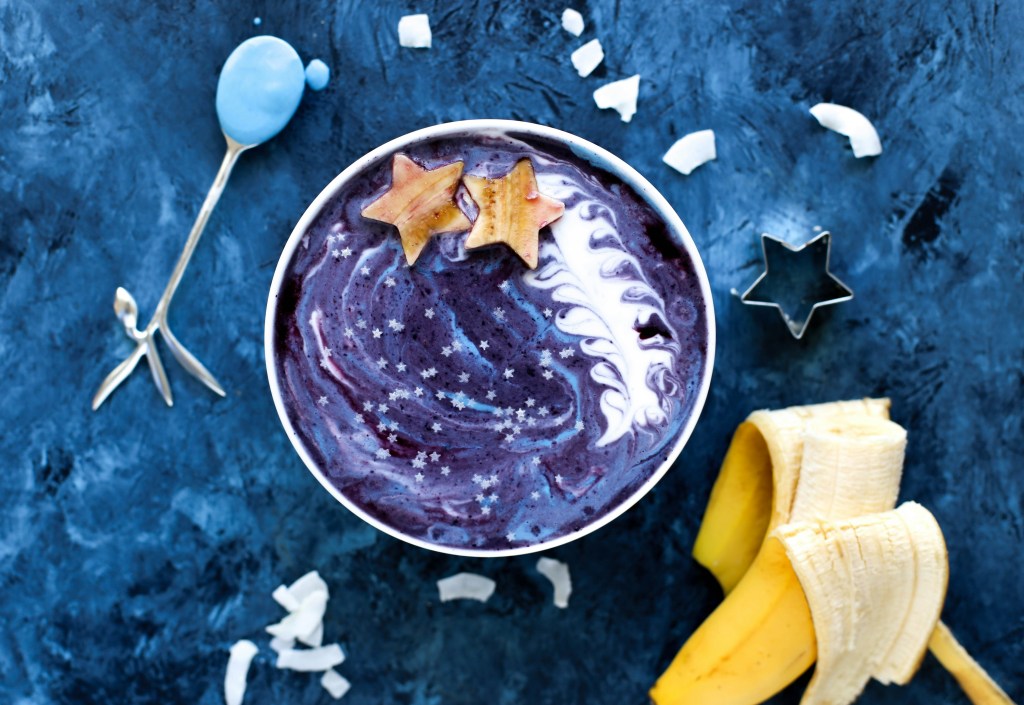
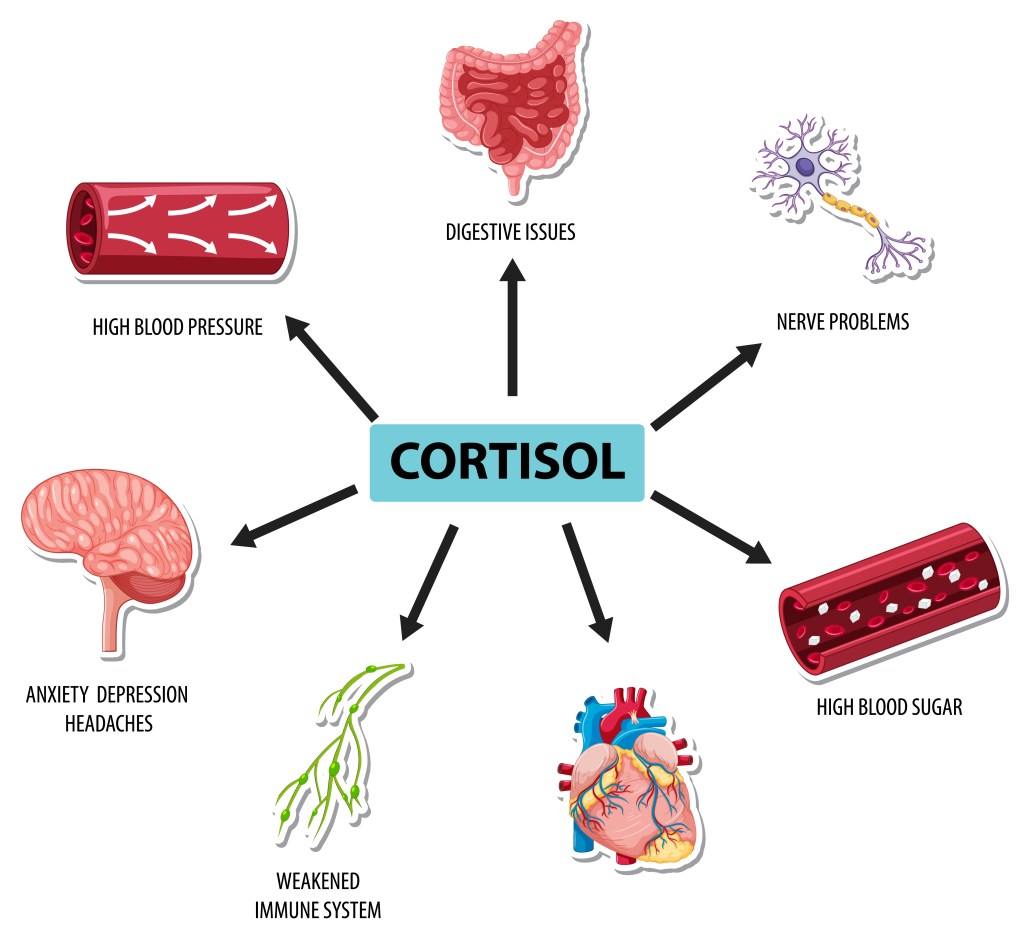
Our food is deeply connected to our stress management. For instance cortisol, which is our primary hormone responsible for stress, is affected by what we eat! Quick background on cortisol: it plays a number of roles in the body, including regulating sleep, managing metabolism and controlling blood pressure. We definitely want some cortisol, or we’d never get up in the morning!
The problem with cortisol lies with chronic stress, which is when stress occurs over a long period of time. For instance, in the short term, cortisol reduces inflammation, whoo! However, when stress occurs in the long term, you have too much cortisol circulating, and this causes stress in your body. That leads to more inflammation and it also increases your blood pressure, the exact opposite of the good things it does for you in the short term.
Cortisol is our “fight or flight” stress hormone. In short spurts, cortisol can boost your immunity by limiting inflammation, however if you have consistently high levels of cortisol, this can lead to inflammation. This is part of why chronic stress can have such an impact on your health.
A great way to naturally combat stress and reduce cortisol levels is through a thoughtful approach to your diet. By adopting a balanced, nutrient-dense whole food diet, you can effectively support your body in managing stress.
Incorporating foods rich in magnesium can help lower cortisol levels, while those high in vitamin B12 assist your body in metabolizing excess cortisol. Protein-rich foods are crucial for stabilizing blood sugar levels, and omega-3 fatty acids play a key role in reducing inflammation. When combined, these nutrient-packed foods work synergistically to help you manage stress more effectively.
Foods to Lower Cortisol Levels
Below is a list of the top 15 foods that can help you reduce cortisol
1. Avocados 🥑
Who doesn’t love avocados?! They are creamy and delicious, but also have tons of magnesium, potassium, B vitamins and vitamin K. Not only that, but they also have heart-healthy monounsaturated fat. Pass the avocado toast please!
2. Bananas 🍌
Bananas have magnesium, potassium, soluble fiber that helps to lower inflammation, plus they have vitamins A, B-6 and C! Plus if you freeze and blend bananas, you can make nice cream, a sweet and stress reducing dessert.
3.Seeds 𓇢
Flax, Chia, hemp and pumpkin seeds are rich in omega-3 fatty acids, which keep the stress hormone cortisol under control while regulating adrenaline levels. They also contain B vitamins.
4. Broccoli 🥦
Broccoli includes a healthy dose of magnesium, which helps lower cortisol, and calcium, iron, potassium, and zinc. It also contains vitamin C which helps lower cortisol levels and blood pressure! This can help with the feelings of perceived stress.
5. Berries 🫐
Blueberries, strawberries, raspberries and blackberries are all superstars, loaded with antioxidants and fiber. However, it’s the high amount of Vitamin C that makes berries a stress fighting food. Vitamin C assists the body to return blood pressure and cortisol to normal levels after they have peaked. You can enjoy them fresh, frozen or mixed into a smoothie. They also make great toppings, or in salads!
6. Spinach 🌱
Spinach is a nutritional superstar, high in magnesium, as well as potassium, folate, fiber, iron, vitamin A, vitamin C and vitamin K. Magnesium levels tend to drop the more stressed we get, which can lead to headaches and fatigue. Adding foods rich in magnesium to your diet to fight stress and stress-related diseases, like high blood pressure and heart attacks
7. Oats 🥣
Oats are a complex carbohydrate loaded with fiber that keeps your blood sugar steady and can also reduce levels of stress hormones in the brain. Oatmeal can also help relieve stress by releasing the neurotransmitter serotonin, which boost calmness and relaxation.
8. Asparagus 💚
This springtime vegetable is not only high in iron, it is high in folate, one of the many B vitamins. Asparagus also contains tryptophan, which increases levels of feel-good serotonin in your brain. Asparagus can help to stabilize your mood, as well as reducing depression and anxiety.
9. Nutritional yeast 💛
Nutritional yeast has a delicious cheesy flavour and is protein-rich. It also includes high amounts of B12 to help metabolize how cortisol interacts within the gut.
10. Cinnamon 🤎
Cinnamon helps stabilize blood sugar levels by improving insulin sensitivity. Stable blood sugar levels can prevent spikes in cortisol, as fluctuations in blood sugar often trigger cortisol release to manage glucose levels.
11. Probiotics 🦠
Probiotics, present in fermented foods like miso, sauerkraut, tempeh, and kimchi, are highly beneficial for gut health. They aid in maintaining hormone balance and keep the immune system going strong!
12. Cacao 🍫
Cacao is a superfood, and it contains iron, magnesium and fiber, all of which help to lower cortisol, — plus zinc and copper. Raw cacao also contains serotonin which improves the mood and decreases stress. It has positive effects on mood, stress levels, inflammation, and our immune system. Put it in a smoothie or nice cream!
13. Nuts 🥜
Raw walnuts can improve sleep in the longer term, increase metabolic markers that protect against stress, and decrease markers that are linked with stress. They are packed with omega-3 fatty acids, antioxidants, and protein. Omega-3 fatty acids, specifically EPA and DHA, help reduce symptoms of anxiety and depression
Almonds are chock-a-block of helpful vitamins: vitamin E to bolster the immune system, plus B vitamins, which may make you more resilient during bouts of stress or depression, and can help balance blood sugar and cortisol levels.
14. Matcha Tea 🍵
Matcha tea is rich in L-theanine, a non-protein amino acid with powerful stress-relieving properties. Matcha is a better source of this amino acid than other types of green tea, which may reduce stress through reduced activity of the stress marker salivary alpha-amylase.
15. Oranges and other citrus fruits 🍊
High in vitamin C, oranges and other citrus fruit can lower cortisol and support overall immune function. Vitamin C helps lower cortisol levels, the primary stress hormone. By reducing cortisol, vitamin C helps mitigate the physiological effects of stress.
Special Mention!
16. Adaptogens 🍄
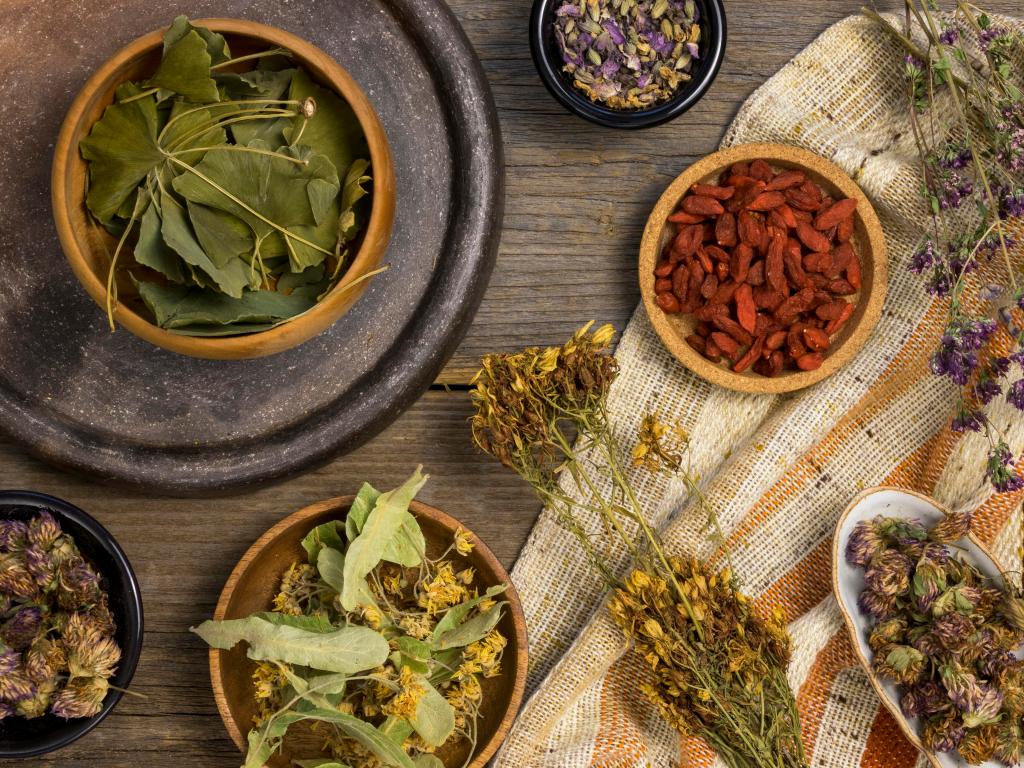
Adaptogens are herbs, roots and fungi that help your body respond to stress, fatigue, anxiety, and improve overall well being. They assist our bodies in managing stress and restoring balance after a stressful situation. Adaptogens such as mushrooms, moringa, Rhodiola and ashwagandha can help with reducing high cortisol levels, as well as minimizing damage from free radicals. They also help the body adapt to stress.
What Foods You Should Skip
This list would not be complete without also mentioning what foods to avoid. Just as some foods can improve our adaptability to stress, some foods also raise cortisol levels, and cause stress to the body. These include:
- Alcohol
- Caffeine
- Soda
- Refined sugar
- Refined grains
- Trans fat and high levels of saturated fat
- Ultra processed foods
Cortisol has a pro-inflammatory effect on cells, meaning it increases inflammation. This means that it’s best to avoid inflammation-inducing foods such as alcohol, sugar foods and beverages, refined grains and trans fats, all of which can all contribute to an elevation of cortisol.
Sugar intake is a major factor that can adversely affect cortisol levels. When cortisol releases glucose into the bloodstream, consuming additional sugar increases glucose levels even further. This creates a cycle where elevated blood sugar spikes cortisol levels, and higher cortisol in turn leads to even higher blood sugar. Essentially, it results in a double hit: cortisol raises blood sugar, which then further elevates cortisol.
This means that reaching for a sugary snack isn’t really the best solution when you are feeling super stressed out. Better to opt for a matcha-based drink, which has L-theanine and is a slow-releasing caffeine that promotes calmness.

Ultra-processed foods are another culprit leading to stress. What are ultra-processed foods? These foods go through multiple processes (extrusion, milling, etc.), and usually contain many added ingredients and are highly manufactured. They are made mostly from substances extracted from foods such as sugar, salt, fat, and have many added ingredients such as stabilizers, artificial colors or preservatives.
Ultra-processed foods include ingredients that are rarely used in homemade recipes, including ingredients such as high-fructose corn syrup, hydrogenated oils, protein isolates and other chemicals such as artificial colors and flavors, emulsifiers, sweeteners and preservatives,
Examples of ultra-processed foods are: processed meat, fried food, refined cereals, candy, pastries, and high-fat dairy products.
Research from the past ten or so years has demonstrated that the more ultra-processed foods a person eats, the higher the chances that they feel depressed and anxious.
The danger is that roughly 60 percent of the calories in the average American diet come from highly processed foods, which means that these stress busting foods get crowded out by the soft drinks, chips, chocolate, candy, ice-cream, hotdogs, and fries.
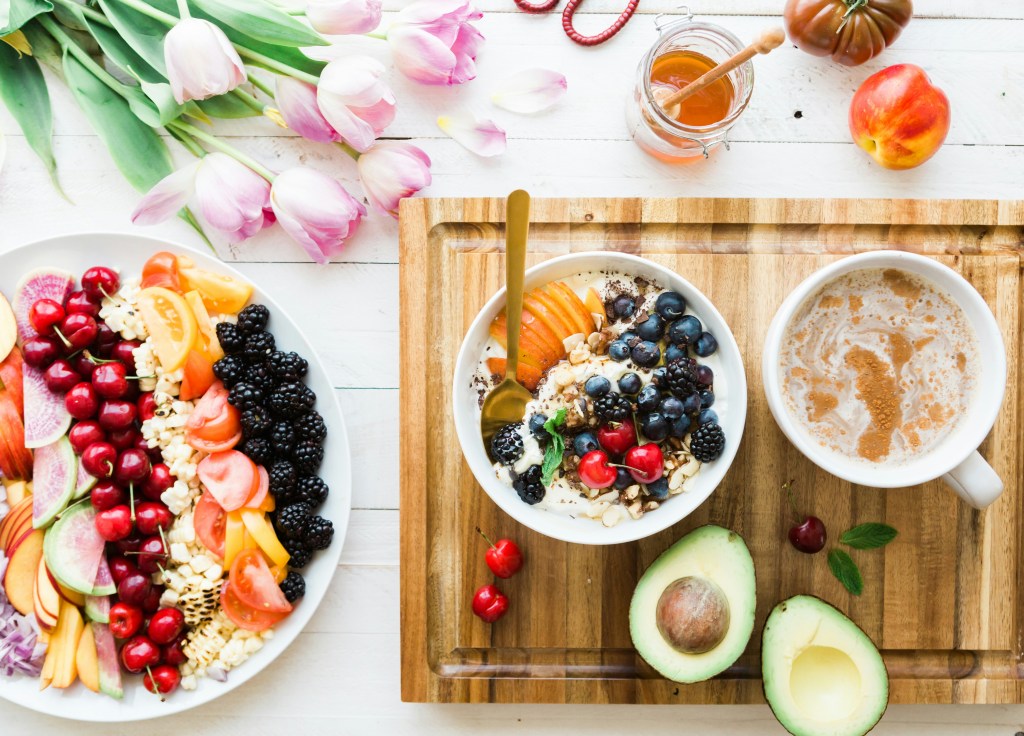
Studies show that a diet full of whole fiber-rich grains, vegetables, fruits and nuts can help keep you on a more even keel. This is why we want to focus primarily on a whole food diet, with lots of fruits and vegetables that are anti-inflammatory. Spices can also be useful, especially turmeric mixed with black pepper, which has both antioxidant and anti-inflammatory properties. These foods nourish your body and protect you from stress, so aim to make them as high a proportion of your diet as you can.
More hot tips:
Another important strategy is to eat consistently, and not skip meals. Eating on a regular schedule helps to balance your blood sugar. Chronic states of low blood sugar is stressful to the body and can increase cortisol. It is well worth it to maintain balanced blood sugar!
It’s important to remember not to rely only on food to de-stress. These foods can be your ally, working to help reduce cortisol, but they can’t have a maximal effect if you don’t also prioritize stress reduction in other ways.
We also need to be doing things like exercising, sleeping and managing chronic illnesses, like obesity, hypertension and diabetes, all of which can contribute to chronic inflammation. We can help our bodies when we make healthy eating decisions. This is a tool in your toolkit! Now go out there and add these stress relieving foods to your day!

 Ditch Stress
Leave a comment