Yoga 101: Mastering Stress Through Mindful Movement
In today’s fast-paced world, stress has become an almost inevitable part of our lives. From work deadlines to personal responsibilities, the pressures we face can often feel overwhelming. Enter yoga: an ancient practice that combines physical postures, breath control, and meditation to promote relaxation and overall well-being. Whether you’re a seasoned yogi or a curious beginner, understanding how yoga can help manage stress is a vital step towards a healthier, happier you.
We are big fans of yoga here at Ditch Stress HQ! We are also BIG Huberman fans (who isn’t these days, amirite?!) and he highlights that yoga, through mindful movement and breath control, significantly reduces stress and enhances mental clarity. Practicing yoga regularly also improves sleep quality and overall well-being.
He also emphasizes that Non-Sleep Deep Rest (NSDR) techniques, like Yoga Nidra, enhance relaxation, improve focus, and reduce stress. These practices also boost overall mental and physical well-being by promoting deep, restorative rest without actual sleep. Personally we’ve both really benefited from yoga nidra, it brings such a sense of peace, and defuses stress. Plus you get to build a nice little yoga nidra nest and the calm vibes can last for hours!
The Origins and Philosophy of Yoga
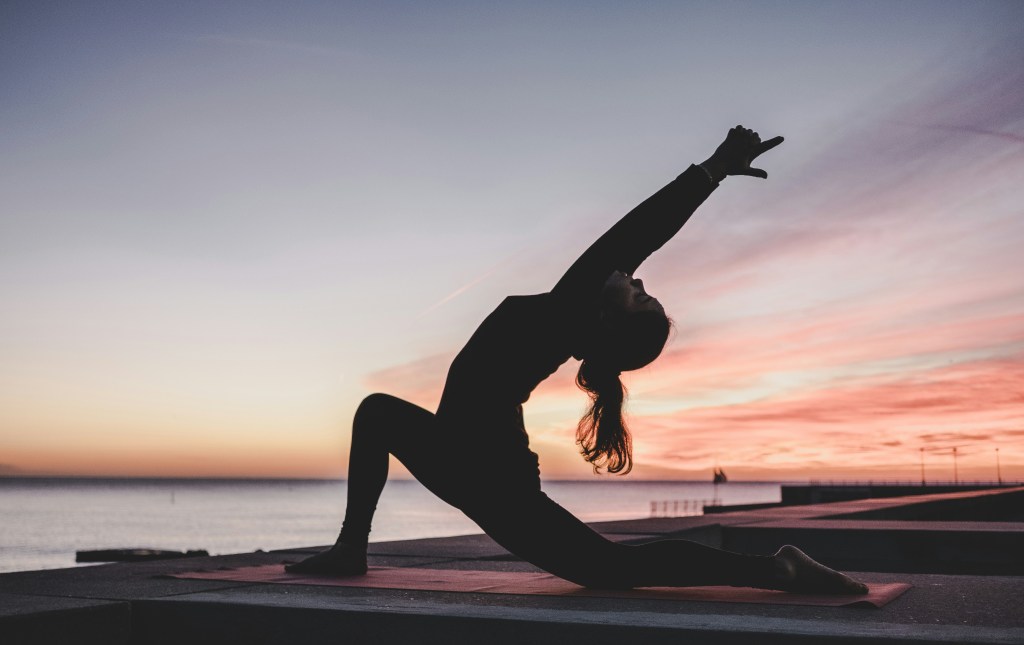
Yoga is an ancient practice with roots in India, dating back over 5,000 years. It originated as a spiritual discipline within Hinduism, Buddhism, and Jainism. The word “yoga” comes from the Sanskrit root “yuj,” which means “to yoke” or “to unite.” It signifies the union of the individual self with the universal consciousness, or the integration of mind, body, and spirit.
The foundational texts of yoga include the Vedas, Upanishads, Bhagavad Gita, and the Yoga Sutras of Patanjali. The Yoga Sutras, written by the sage Patanjali around 400 CE, outline the Eight Limbs of Yoga, which provide a comprehensive framework for living a balanced and fulfilling life. These limbs are:
- Yama: Ethical guidelines, including non-violence, truthfulness, and non-possessiveness.
- Niyama: Personal observances, such as cleanliness, contentment, and self-discipline.
- Asana: Physical postures that prepare the body for meditation.
- Pranayama: Breath control to enhance energy and mental clarity.
- Pratyahara: Withdrawal of the senses to focus inwardly.
- Dharana: Concentration on a single point or object.
- Dhyana: Meditation and uninterrupted flow of concentration.
- Samadhi: A state of blissful union with the divine.
While modern yoga often focuses primarily on asana (postures) and pranayama (breath control), the holistic philosophy of yoga encompasses much more, aiming to cultivate a balanced and harmonious life.
How Yoga Helps Manage Stress
Yoga is more than just a physical exercise; it’s a holistic practice that addresses the mind, body, and spirit. Here’s how yoga can help you combat stress:
- Reduces Physical Tension: Many of us carry stress in our bodies, leading to tight muscles and physical discomfort. Yoga postures, known as asanas, help to stretch and release this tension, promoting relaxation.
- Enhances Mindfulness: Yoga encourages mindfulness, the practice of being present in the moment. By focusing on your breath and movement, you can reduce the mental chatter and anxiety that often accompany stress.
- Balances the Nervous System: Yoga activates the parasympathetic nervous system, often referred to as the “rest and digest” system. This helps to lower heart rate, reduce blood pressure, and promote a sense of calm.
- Improves Breathing: Pranayama, or breath control, is a key component of yoga. Deep, mindful breathing helps to calm the mind and reduce stress hormones in the body.
- Promotes Better Sleep: Stress often disrupts sleep patterns. Regular yoga practice can improve the quality of your sleep, helping you feel more rested and resilient to stress.
The Science Behind Yoga and Stress Relief
The benefits of yoga for stress relief are backed by scientific research. Numerous studies have shown that yoga can significantly reduce stress levels, improve mood, and enhance overall mental health. One key factor is the impact of yoga on the hypothalamic-pituitary-adrenal (HPA) axis, which plays a crucial role in the body’s response to stress. Yoga helps to regulate this axis, reducing the secretion of stress hormones like cortisol.
Additionally, yoga increases the production of gamma-aminobutyric acid (GABA), a neurotransmitter that promotes relaxation and reduces anxiety. Higher levels of GABA are associated with a calmer, more balanced state of mind. Yoga also enhances neuroplasticity, the brain’s ability to adapt and reorganize itself. This can lead to improved emotional regulation and resilience to stress.
Types of Yoga for Stress Relief
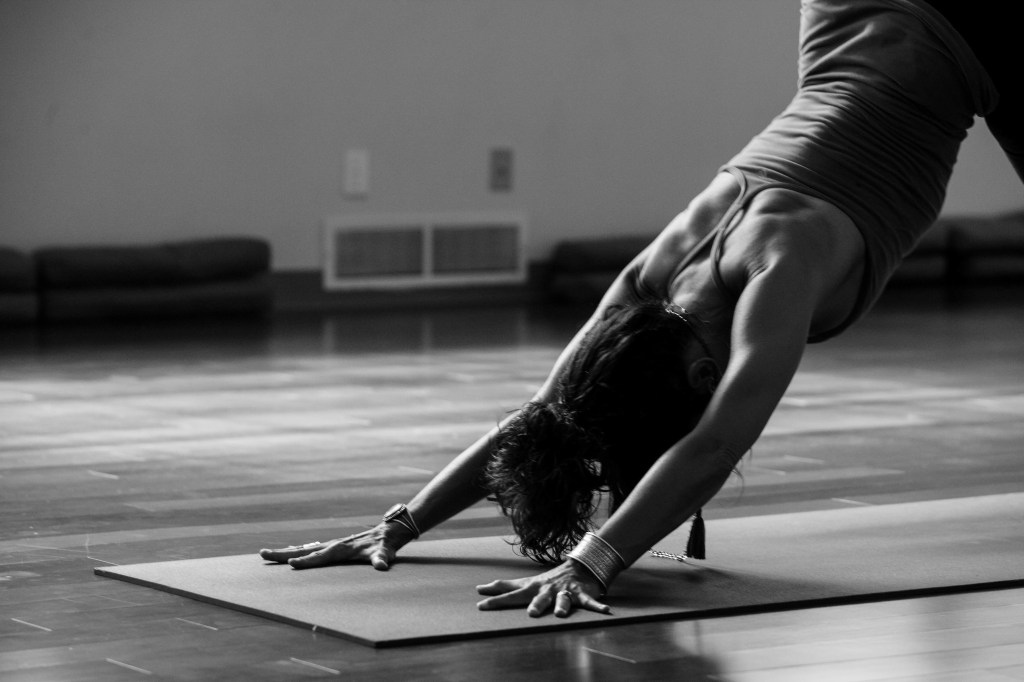
There are many different styles of yoga, each offering unique benefits. Here are some of the most effective types of yoga for managing stress:
Hatha Yoga is a gentle introduction to the most basic yoga postures. It’s a great starting point for beginners or anyone looking to focus on relaxation and mindful movement. Hatha classes typically move at a slower pace, allowing you to fully experience each posture and its benefits. This type of yoga emphasizes alignment and breath control, helping to create a sense of balance and harmony in the body and mind.
Yin Yoga is a slow-paced style of yoga with poses that are held for longer periods of time—usually three to five minutes or more. This practice targets the deep connective tissues, such as ligaments, joints, bones, and the fascia networks of the body, rather than the muscles. Yin Yoga is especially beneficial for stress relief as it encourages deep relaxation and helps to release stored emotional tension. By holding poses for extended periods, you allow the body to fully surrender and release built-up stress and tension.
Restorative Yoga involves poses that are held for long periods, but unlike Yin Yoga, the poses are fully supported with props like blankets, blocks, and bolsters. This practice is deeply relaxing and helps to calm the nervous system, making it an excellent choice for stress reduction. Restorative Yoga emphasizes rest and recuperation, allowing the body and mind to enter a state of deep relaxation and healing.
Yoga Nidra, also known as yogic sleep, is a powerful technique for controlling your body’s relaxation response. It’s a form of guided meditation that takes you into a state of conscious relaxation. During Yoga Nidra, you lie down comfortably and follow the guidance of your instructor, moving through different stages of relaxation. This practice is incredibly effective for reducing stress and promoting deep rest. Yoga Nidra helps to balance the nervous system, reduce anxiety, and improve sleep quality.
Vinyasa Yoga involves flowing from one pose to another in coordination with your breath. This dynamic style of yoga can be both energizing and relaxing. The rhythmic flow helps to calm the mind and reduce stress, while the physical activity releases tension from the body. Vinyasa Yoga improves cardiovascular health, enhances flexibility, and promotes a sense of overall well-being.
Kundalini Yoga combines postures, breath work, meditation, and chanting to awaken the energy at the base of the spine. This style of yoga is designed to increase awareness and consciousness, promoting spiritual growth and mental clarity. Kundalini Yoga can help release deep-seated stress and emotional blocks, fostering a greater sense of inner peace and resilience.
Incorporating Yoga into Your Routine
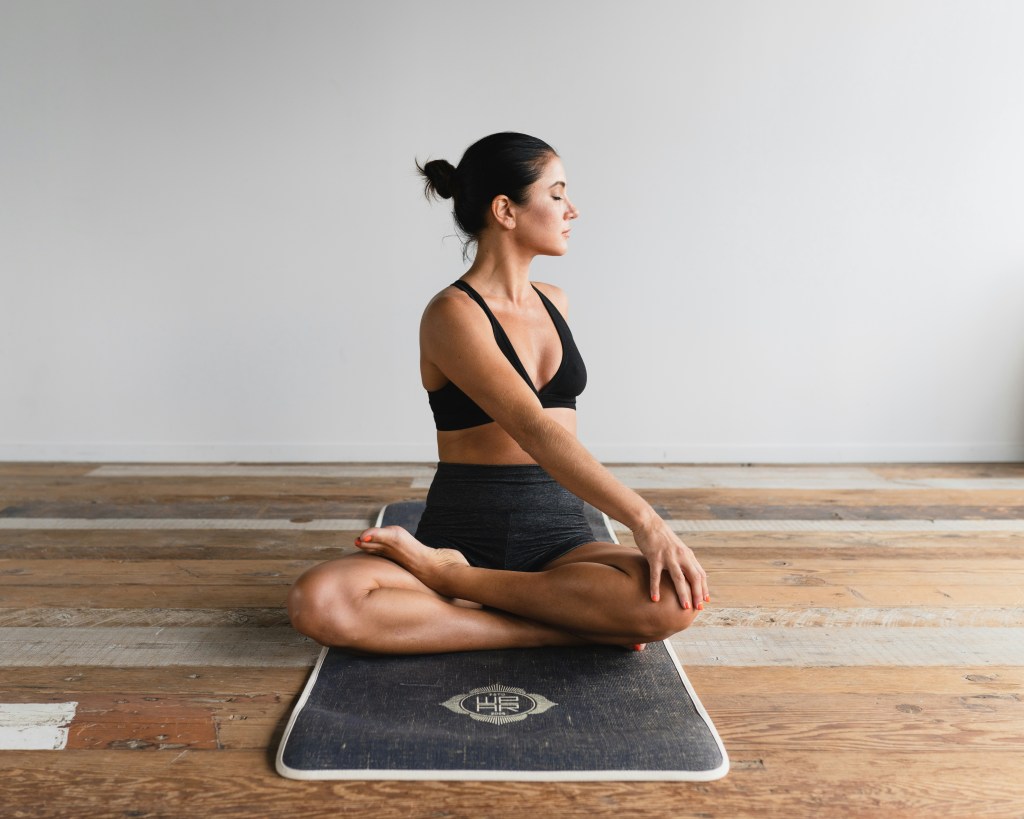
To reap the full benefits of yoga for stress management, consistency is key. Here are some tips for incorporating yoga into your daily routine:
- Start Small: Begin with short, manageable sessions. Even 10-15 minutes of yoga a day can make a significant difference. As you become more comfortable, you can gradually increase the length and intensity of your practice.
- Create a Comfortable Space: Find a quiet, comfortable space where you can practice without distractions. Use a yoga mat, props, and soothing music to enhance your experience. Creating a dedicated yoga space can help you establish a consistent practice and make it easier to focus on your practice.
- Set Realistic Goals: Set achievable goals for your practice. Whether it’s attending a class once a week or practicing a few poses before bed, consistency will help you build a sustainable routine. Be patient with yourself and celebrate your progress, no matter how small.
- Listen to Your Body: Yoga is about connecting with your body and mind. Listen to your body’s signals and adjust your practice accordingly. Avoid pushing yourself too hard, especially if you’re new to yoga. Honor your limits and give yourself permission to rest when needed.
- Seek Guidance: If you’re unsure where to start, consider joining a yoga class or following online tutorials. A qualified instructor can provide valuable guidance and ensure you’re practicing safely. Group classes can also offer a sense of community and support.
Tips for Maximizing the Benefits of Yoga
To maximize the benefits of your yoga practice, consider these additional tips:
- Stay Hydrated: Drink plenty of water before and after your practice to keep your body hydrated and support the detoxification process.
- Practice Mindful Eating: Yoga and mindful eating go hand in hand. Pay attention to what you eat and how it makes you feel. Nourish your body with healthy, balanced meals to support your overall well-being.
- Incorporate Meditation: Combine your yoga practice with meditation to deepen your relaxation and enhance your mental clarity. Even a few minutes of meditation each day can make a significant difference.
- Be Consistent: Consistency is key to reaping the full benefits of yoga. Try to practice regularly, even if it’s just a few minutes each day. Establishing a routine will help you make yoga a natural part of your daily life.
- Listen to Your Body: Pay attention to how your body feels during and after your practice. Adjust your practice to meet your needs and avoid pushing yourself too hard. Rest when needed and honor your body’s signals.
- Explore Different Styles: Don’t be afraid to explore different styles of yoga to find what works best for you. Each style offers unique benefits, and experimenting with various practices can help you discover what resonates with you.
- Practice Gratitude: Incorporate gratitude into your yoga practice. Take a moment at the beginning or end of your practice to reflect on what you’re grateful for. Gratitude can enhance your overall well-being and help you maintain a positive mindset.
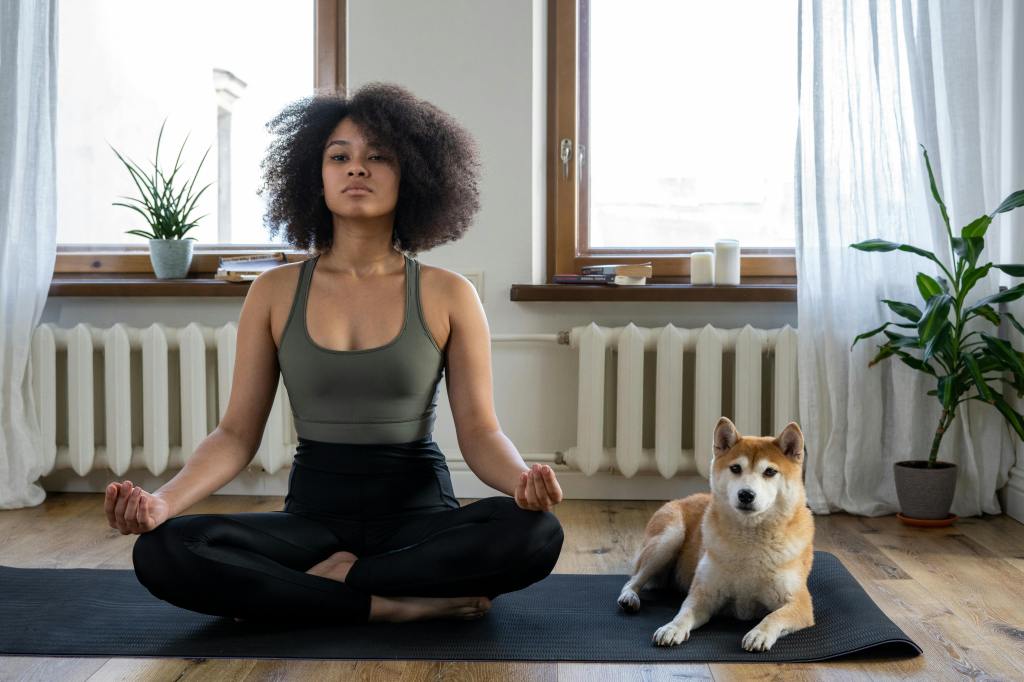
Yoga is a versatile and powerful tool for managing stress. By incorporating yoga into your daily routine, you can reduce physical tension, enhance mindfulness, balance your nervous system, improve your breathing, and promote better sleep. Whether you choose Hatha, Yin, Restorative, Yoga Nidra, Vinyasa, or Kundalini, the key is to find a style that resonates with you and stick with it. Remember, yoga is a journey, not a destination. Be patient with yourself, and enjoy the process of discovering the many ways yoga can enrich your life and help you ditch stress for good.
Embrace the power of yoga and take the first step towards a more balanced, stress-free life. Your body and mind will thank you. So, roll out your mat, take a deep breath, and let the healing journey begin.
By integrating yoga into your life, you can cultivate a greater sense of peace, resilience, and overall well-being. The practice of yoga not only helps to alleviate stress but also fosters a deeper connection with oneself and the world around you. This ancient tradition offers timeless wisdom and practical tools that can transform your approach to stress and enhance your quality of life.
As you explore the diverse styles and techniques of yoga, remember to honor your unique journey and practice with compassion and mindfulness. Whether you are seeking physical relief, mental clarity, or spiritual growth, yoga provides a holistic path to achieving your goals. So, commit to your practice, embrace the present moment, and experience the profound benefits of yoga in your quest to master stress and live a balanced, fulfilling life.
Enjoyed this? Here’s what we recommend next: Meditation 101

 Ditch Stress
Leave a comment